"ஹலோ.. சங்கீத ஸ்வரங்கள் ஏழே கணக்கா".. From Shared Telephones to Endless Updates!
- வ. துர்காதேவி
இப்போதெல்லாம் போன்கள் நமது காதுகளிலேயேதான் வாழ்கின்றன. அதிலும் மேலே போய் விட்டார்கள் டெக்னாலஜிக்காரர்கள்.. போன்களுக்கு மதிப்பே இல்லாமல் போய் விட்ட காலம் அது.. அலைபேசி, செல்பேசி, கை பேசி என விதம் விதமாக இவற்றுக்குப் பெயர்கள் வேறு.. ஆனால் ஒரு காலத்தில் தொலைபேசியாக வாழ்ந்து வந்த போன் தெய்வத்திற்கு சமமாக பார்க்கப்பட்டது.. அந்தக் காலத்தை மறக்க முடியுமா என்ன!
அந்தக் காலத்து தொலைபேசியுடனான அனுபவங்களை அழகாக கோர்த்துக் கொடுத்து இதயத்தை கொய்திருக்கிறார் நமது வ. துர்கா தேவி.. வாங்க அதுக்குள்ள போய் கொஞ்சம் நினைவுக் கடலில் நீச்சலடித்து விட்டு வரலாம்.
When I think of my childhood, what comes first to mind is not silence but people—people everywhere.
We lived in a rented house where six or seven families shared the same compound. Naturally there were twelve to fifteen children growing up together. My mother had five younger brothers and an elder sister, and my father himself was one among ten siblings. Whenever we visited our native village, about forty kilometres from Vellore, the houses of both my paternal and maternal grandparents would overflow with cousins.
Childhood in such a world was never lonely. It was lively, noisy and deeply human. Looking back now, I realise how blessed those days were.
My father worked as an Inspector in the auditing department when I was born. Because of the nature of his work he was often away on official tours, and we usually saw him only during weekends. Mobile phones did not exist then.

By the time I was around ten years old, he had risen to the post of Assistant Director, a respected and prestigious position with several official privileges. Yet he never felt the need to install a telephone connection at home.
His reasoning was simple.
“If I leave home for work, I go as planned and return as planned. If I leave for a week, I will return in a week. If I leave in the morning, I will return in the evening. When the return time is already known, what is the need for a telephone in between?”
Looking back today, it feels like a calm and self-assured way of living.
In that entire building where several families lived, only one house had a telephone connection, and that too only in the later part of my childhood. Whenever an urgent call arrived, the phone would ring there and someone would come running to inform the concerned family. The owners of that telephone never treated it as a burden; they gladly conveyed messages for everyone.
That was how society functioned—quietly supporting one another.
Those days now feel golden.
Today communication has become easier than ever. Yet strangely, life feels far more restless.
A person stepping out of the house informs the family when he starts, when he boards the bus, when he reaches the station, and sometimes every few minutes in between. Even a short visit to the neighbourhood shop involves calls asking what to buy, how much to buy and which brand to choose.
Sometimes the updates become even more trivial. Questions about breakfast, lunch, snacks and daily routines continue through the day. When someone is away for just a day or two, family members still ask whether he woke up on time, whether he brushed, bathed or ate properly.
But a child learns to brush, bathe, eat and manage such routines from a very young age. When that is the case, is it not a strange obsession to keep asking about such minute details?
This habit is not limited to one group.
Students walking to school speak continuously on their phones. Young people going to coaching classes send constant updates. Employees in offices attend personal calls during work hours. In banks and government offices people step aside to answer ringing phones. Businessmen discuss household matters while customers wait in front of them.
In buses, trains and waiting halls many people seem to be narrating their lives minute by minute to someone on the other end.
Even temples are not spared. Phones ring repeatedly in places meant for silence and prayer. That is why many temples today display boards requesting visitors to switch off their mobile phones.
When a habit becomes difficult to control, it slowly turns into a form of addiction.
Life once moved in a calmer rhythm.
When elders left home for work, there was no communication until they returned. If someone had to travel, they would simply say, “I will be back in three days,” or “I will return next week.” That single sentence was enough.
The person outside concentrated on the work at hand. The family at home continued their routine with quiet confidence. When the traveller returned, the whole family gathered to listen to the stories of the journey.
Waiting made conversations richer.
Another beautiful aspect of that time was the strength of society itself.
If we needed information about a shop, a bus route or a restaurant, we simply asked people around us. Society functioned like an extended family. Children naturally learned to interact with others, seek help and trust the community around them.
Even when unexpected situations arose, people usually handled them where they were. Friends, colleagues or others present at the spot often stepped forward to help. Not every situation needed to be immediately reported to the family.
Constant updates therefore do not always solve problems; sometimes they only spread worry.
They also create unnecessary tension.
When every small incident is reported instantly, it often invites needless discussion. A minor issue that might have settled on its own now becomes a subject of immediate analysis. One call leads to another, explanations follow, arguments arise, and sometimes the matter grows far bigger than it originally was.
If it had been left alone, time itself might have softened it.
Very often such prolonged discussions end in frustration and emotional strain. What we now call depression is frequently born from this constant mental pressure. Interestingly, the word “depression” itself was rarely heard in everyday conversation two decades ago.
Another subtle change is the tone of communication.
Many updates today resemble the reporting of a servant to a master—every small detail must be explained, and if an update is missed it is treated almost like a serious mistake.
Communication that should create comfort sometimes begins to feel like supervision.
In earlier decades even small children studied in hostels far away from home. They returned only during holidays, sometimes meeting their parents once in three or four months. Most hostels had no telephone facilities at all.
Yet life moved peacefully.
Students immersed themselves in studies and hostel life. Parents trusted them and waited patiently. When children returned during vacations, they brought home a treasure of stories and experiences. Those long conversations strengthened emotional bonds within the family.
Today every small incident is reported instantly through mobile phones. By the time a person returns home in the evening, the entire story of the day has already been told.
Then what remains to share?
Technology is undoubtedly useful. Mobile phones help us during emergencies and keep us connected across distances. But when every trivial detail is constantly reported, life becomes unnecessarily crowded with information.
Perhaps we need to rediscover a little space in our lives—space for patience, silence and trust.
Let people go out, complete their work peacefully and return home as planned. When the family gathers in the evening, the stories of the day can unfold naturally.
Sometimes waiting deepens affection.
Sometimes silence strengthens relationships.
And sometimes fewer updates create stronger human connections.
Mobile phones are wonderful tools.
But if we are not careful, the tools may slowly begin to control the lives of their owners.
So the wiser path is not to reject technology, but to use it with restraint. After all, life was not poorer when communication was less frequent.
In many ways, it was richer, calmer and more human.
(About the Author: Durgadevi V, Graduate Teacher, GHS Nesal, Tiruvannamalai District)

சமீபத்திய செய்திகள்

சென்னைக்கு இன்று ஆரஞ்சு அலர்ட்: 10 மாவட்டங்களில் கனமழை கொட்டி தீர்க்கும் வானிலை மையம் எச்சரிக்கை!
.jpg)
இன்று முதல் சென்னையில் மழை தீவிரமடையும் : தமிழ்நாடு வெதர்மேன் எச்சரிக்கை

தென்தமிழ் தலையங்கம்: "ரெட், மஞ்சள், ஆரஞ்சு" - வானிலை அலர்ட்டுகளும், மக்களின் விழிப்புணர்வும்!
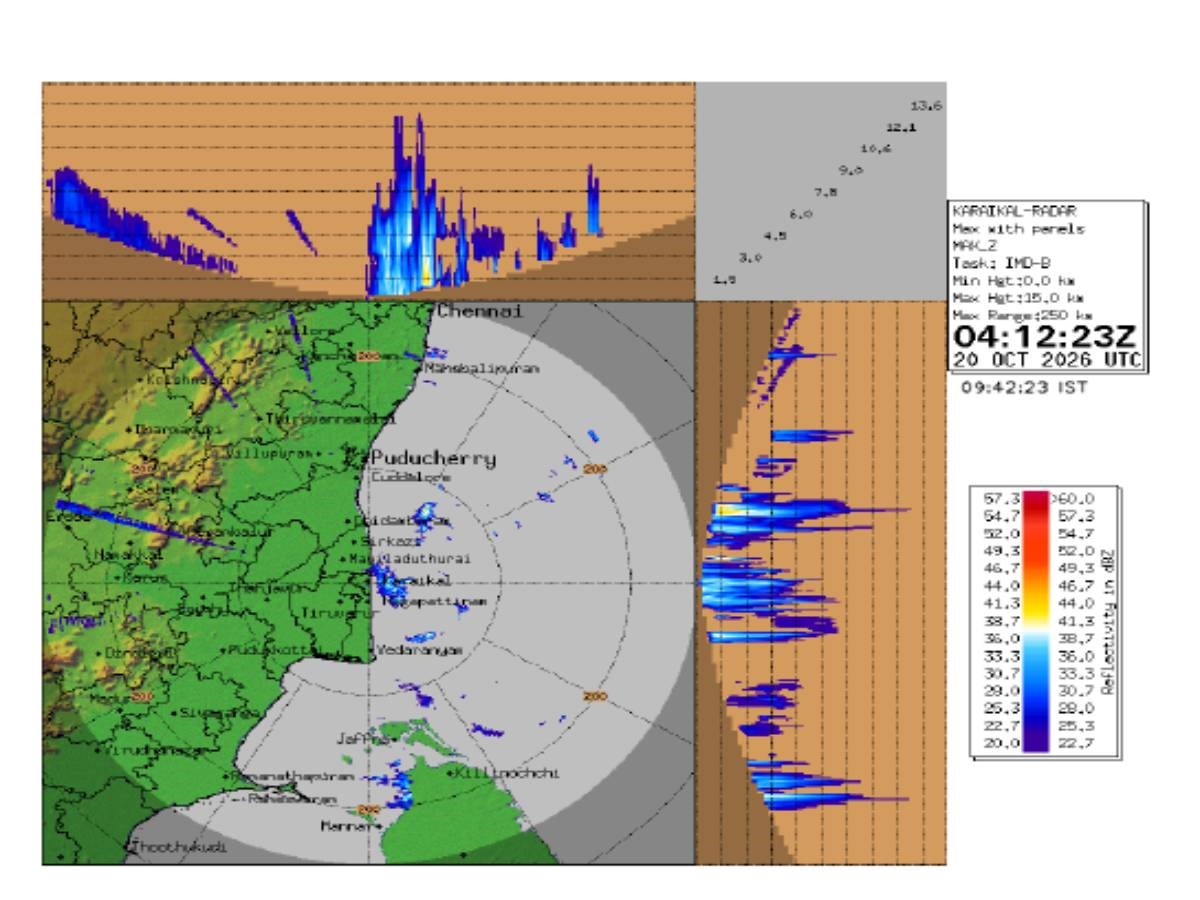
தீவிரமடையும் வடகிழக்கு பருவமழை: அரபிக்கடலில் ஆழ்ந்த காற்றழுத்த தாழ்வுப் பகுதி
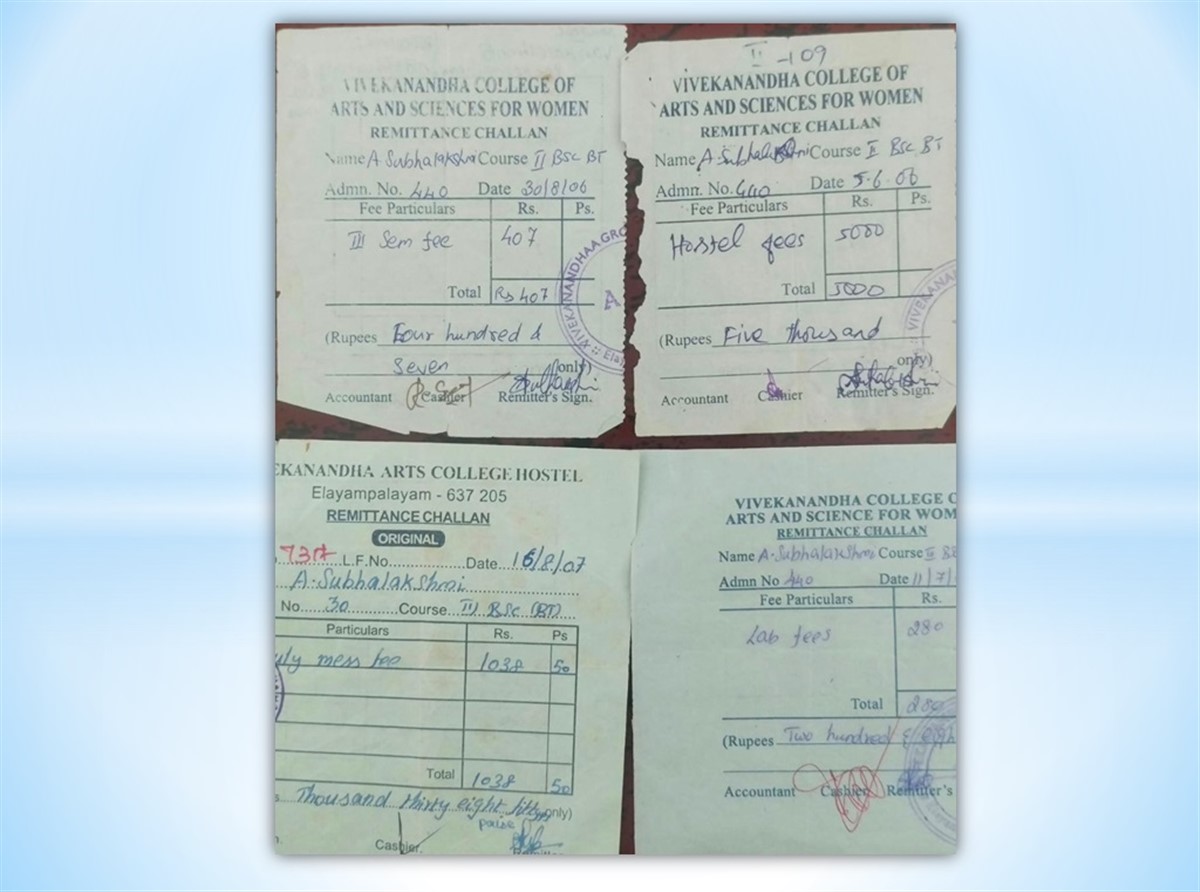
கைபேசி இல்லாத காலத்து கல்லூரி நினைவுகள்.. ஞாபகம் வருதே, ஞாபகம் வருதே (1)!
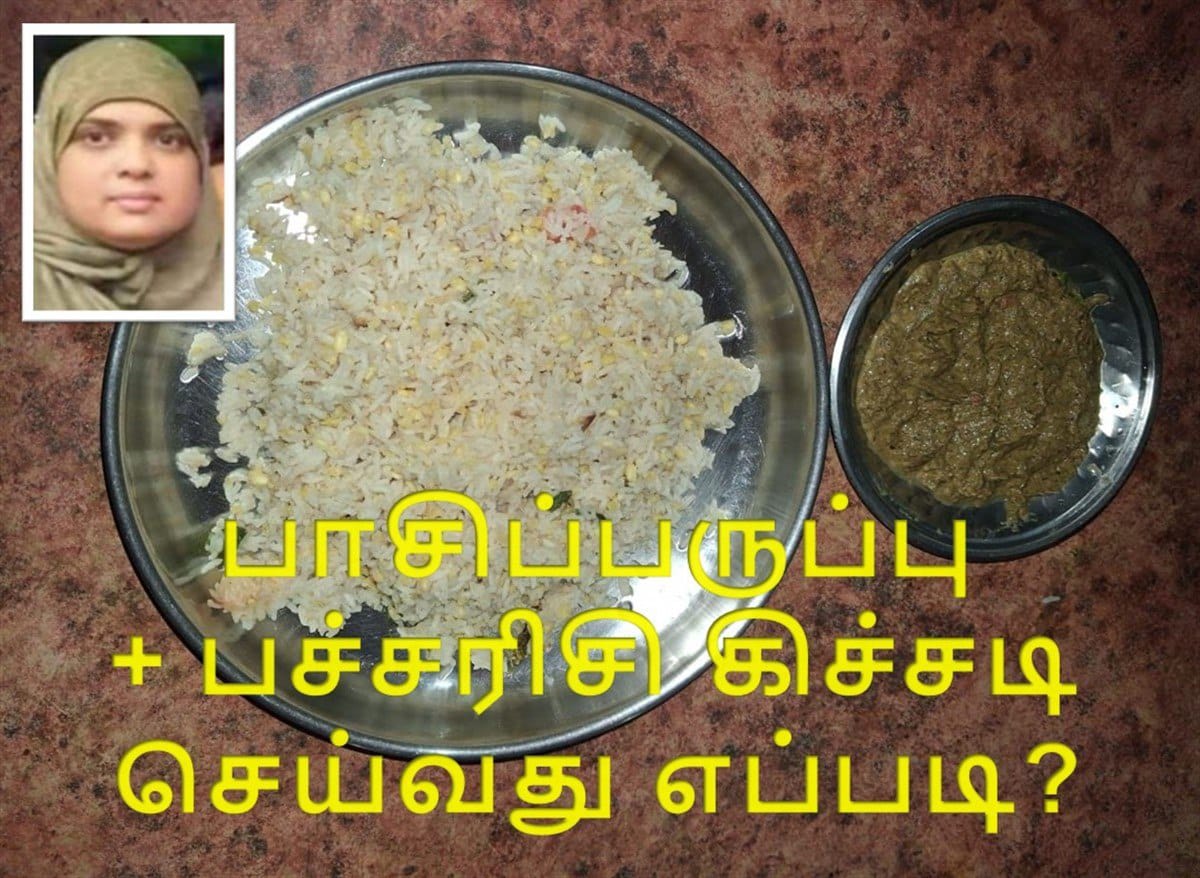
Yasmin Cooking Tips: பாசிப்பருப்பு + பச்சரிசி கிச்சடி செய்வது எப்படி?
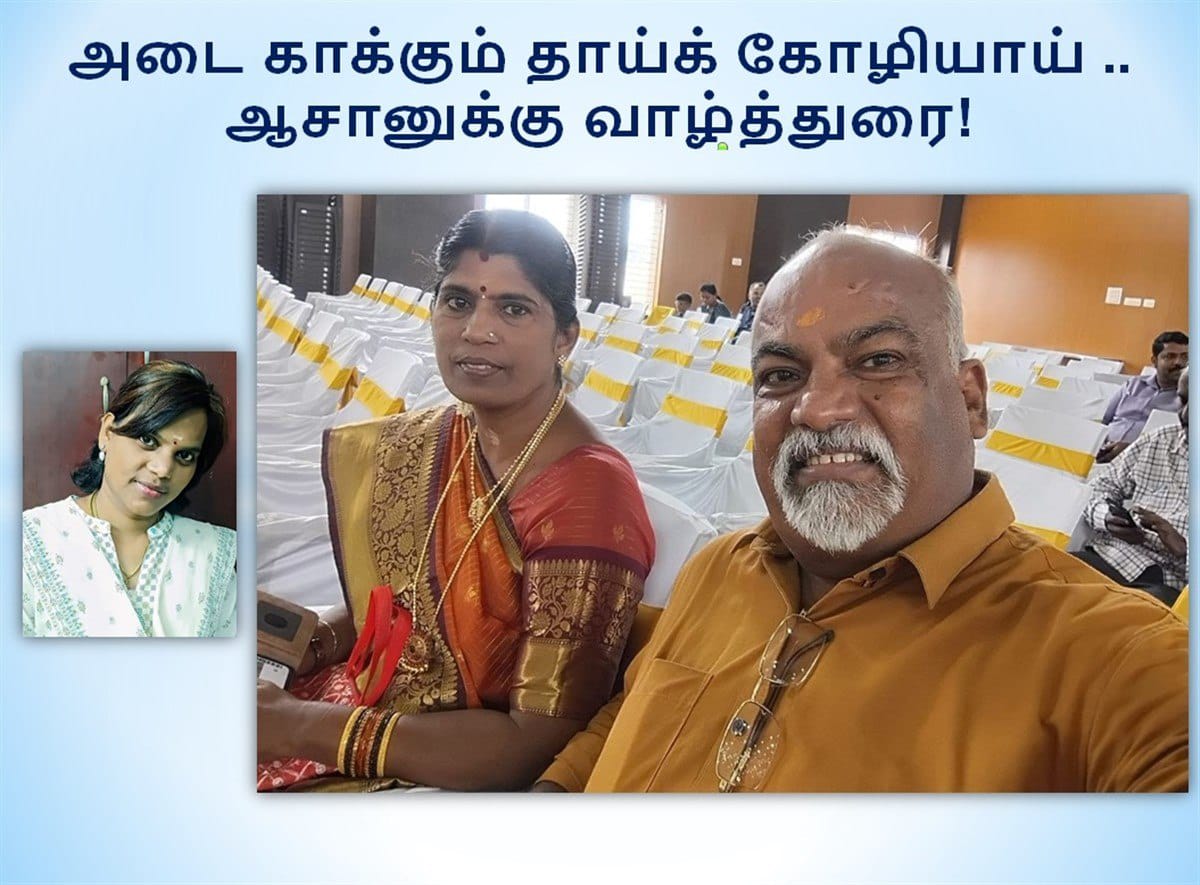
அடை காக்கும் தாய்க் கோழியாய் .. ஆசானுக்கு வாழ்த்துரை!

Spiritual Tour:.. பக்தியினால் நிறைந்த மனசு.. சென்னை to ராமேஸ்வரம் - ஆன்மீகப் பயணம் (பகுதி 2)
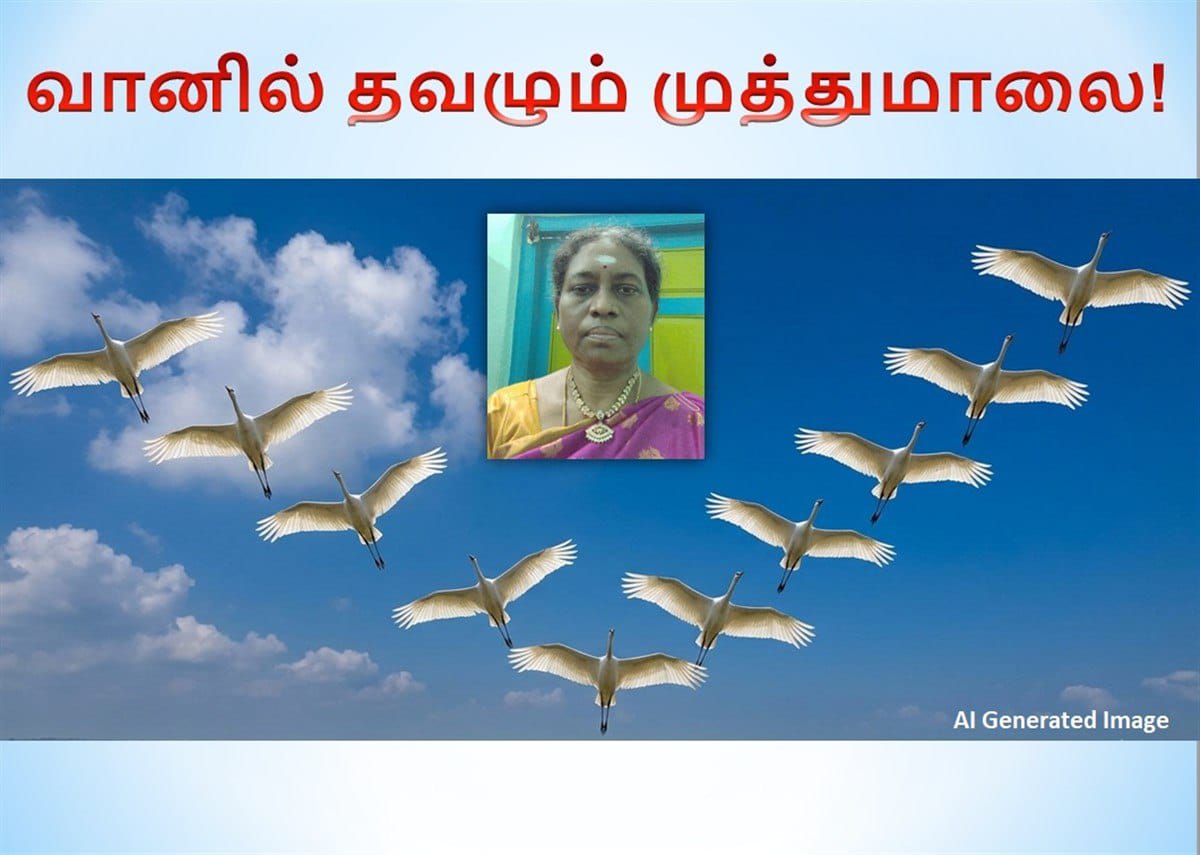
கொக்குக் கூட்டம் – வானில் தவழும் முத்துமாலை!
{{comments.comment}}