அன்பு மகிழ்ச்சியைப் பரப்பும் ஹோலி.. Bonfire of Unity: India’s Vibrant Celebration
- நயன்தாரா சூரியநாராயணன்
ஹோலி என்பது இந்தியர்களின் முக்கியமான இந்து திருவிழாக்களில் ஒன்றாகும். இது பொதுவாக மார்ச் மாதத்தில் (பங்குனி மாதம்) கொண்டாடப்படுகிறது. வசந்த காலத்தின் வருகையையும், நன்மை தீமையை வெல்வதையும் குறிக்கும் திருநாளாக இது கருதப்படுகிறது.
ஹோலி திருவிழாவின் பின்னணி புராணக் கதையாக பிரகலாதா மற்றும் ஹோலிகா பற்றிய வரலாறு கூறப்படுகிறது. பக்தி, சத்தியம் ஆகியவை எப்போதும் வெற்றி பெறும் என்பதை இந்தக் கதை உணர்த்துகிறது.
இந்த நாளில் மக்கள் ஒருவருக்கொருவர் வண்ணப்பொடியைத் தூவி, நீர்வண்ணங்களால் விளையாடி மகிழ்கிறார்கள். குடும்பத்தினரும் நண்பர்களும் ஒன்று கூடி இனிப்புகள் பகிர்ந்து கொண்டாடுவது ஹோலியின் சிறப்பு.
ஒற்றுமை, மகிழ்ச்சி மற்றும் அன்பை பரப்பும் திருவிழாவே ஹோலி. இதுகுறித்து நயன்தாரா சூரியநாராயணன் எழுதியுள்ள அழகிய கட்டுரை:
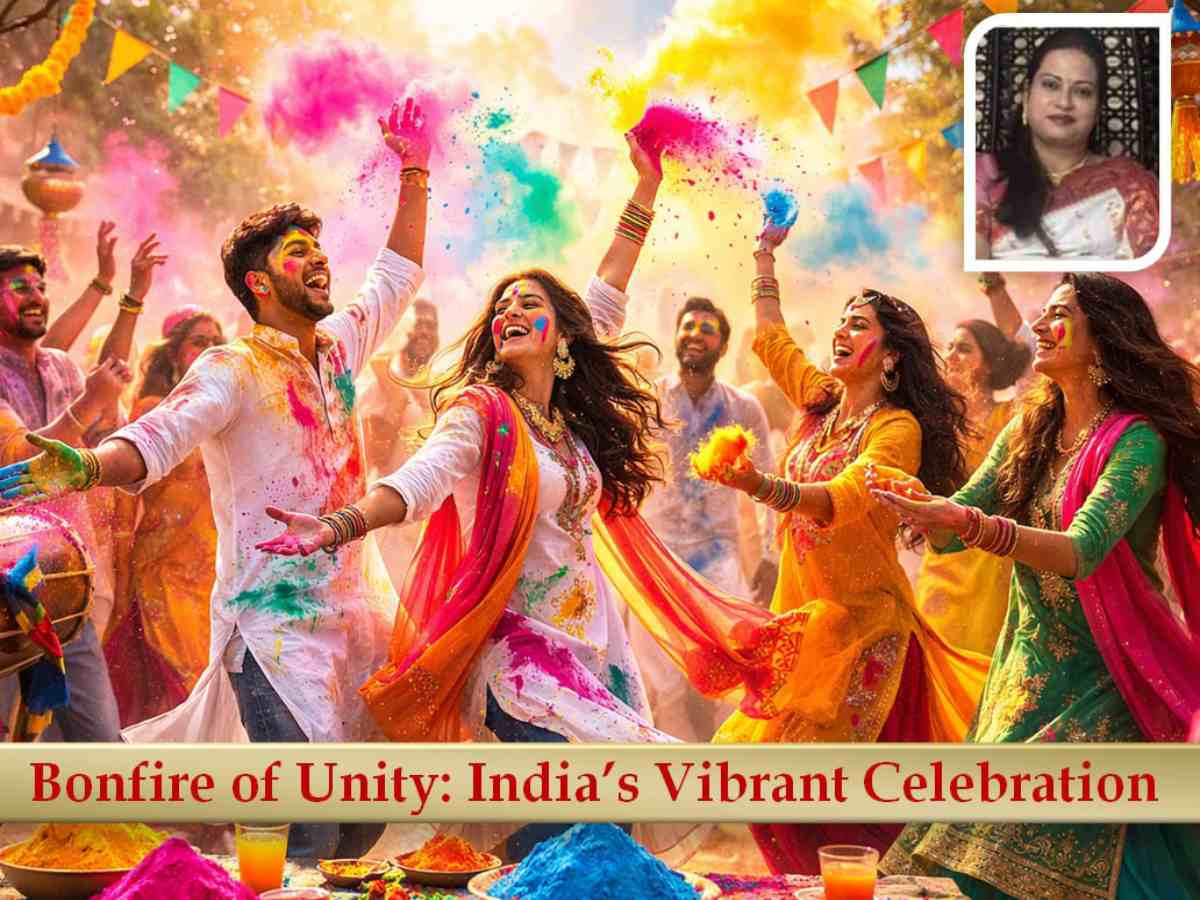
The month of march signifies the onset of spring, symbolising the end of winter and the arrival of warmer days. This strangely coincides with one of the major festivals across India which signifies renewal, triumph of good over evil, burning of negativity and celebration of the vibrant colours of spring. From North India’s grand born-fires to southern’s parts burning of Kama deva effigies to the folk songs celebrating Radha Krishna in eastern part of India each region adds a unique flavour to the celebration.
Today across the length and breadth of India we will find people celebrating this day with lots of devotion and vibrancy with near and dear ones, it could be by lighting a bonfire and burning things in the fire, singing songs, partaking in community festivities etc. However, the definition and the belief changes from one region to another, in north it is called Holika Dahan whereas in south we celebrate Kama Dahanam and in eastern side it’s Dol Purnima or Jatra
Holika Dahan is celebrated one day before HOLI the festival of colours, it’s is celebrated to mark the victory of good over evil. The legend of Holika Dahan is associated with Prahalada an ardent devotee of Lord Vishnu but born to a demon king Hiranyakashipu who is infuriated on him for his faith in Lord Vishnu. His father tries to shake his faith and even attempts to kill him by throwing him from a cliff but each time he is saved by the god. Hiranyakashipu’s sister is Holika who has a boom that fire can’t burn her, hence he asks her help and she attempted to kill her nephew Prahlada, by placing him on her lap in a bonfire. However, she was immolated while Prahlada was saved from the fire because of his faith in Lord Vishnu. Prahlad’s story symbolises triumph of devotion and righteousness over evil. This day people light a bonfire to purify the surroundings offering grain, coconut and sweet to the fire, they circumambulate the fire to ward off negativity and apply the ashes after the bonfire ends for blessings, post this next day they play Holi with colours.
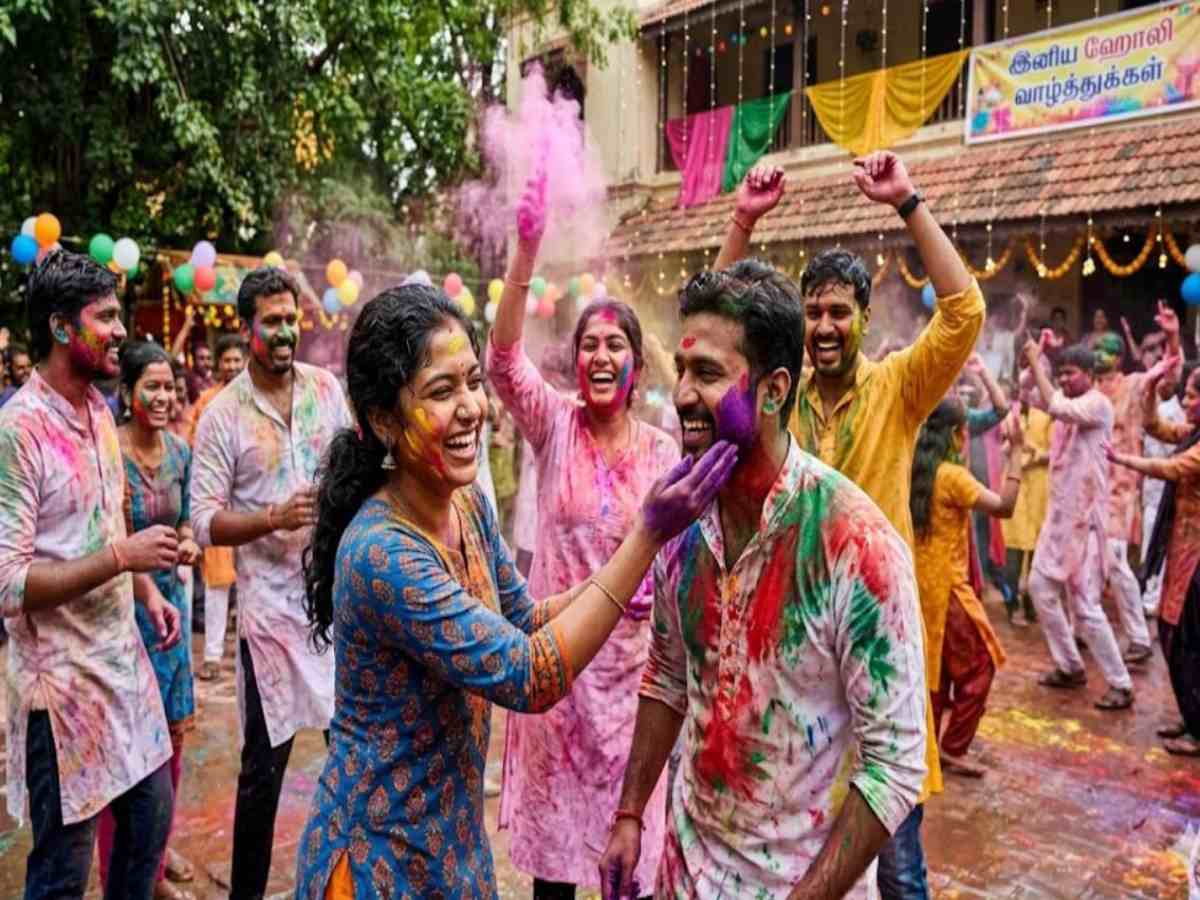
While Holika Dahan is related to Lord Vishnu devotee, Kama Dhanam is related to the legend of Lord Shiva burning Kama dev with his third eye. This festival symbolises the destruction of worldly desires and ego and is celebrated in temples in Tamil Nadu dedicated to Kama Dev and Lord Shiva like Brihadeeswarar Temple, Thanjavur ; Kamaleswarar Temple, Kamalapuram; Annamalaiyar Temple in Tiruvannamalai to name a few.It is also celebrated in Uttar Pradesh( Kameshwarnath temple, Mathura ; Banke Bihari Temple, Vrindavan; Vishwanath Temple, Varanasi) , Madhya Pradesh ( Mahakaleshwar Jyotirling,Ujjain ;Bhojeshwar Temple, bhojpur)and Kerala ( Vadakkumnathan temple; Chidambaram Mahadev Temple,Thrissur’s).
The story behind this festival is related to post the death of Goddess Sati and her reincarnation as the daughter of the mountain king, Himavan as Parvati. In order to marry Lord Shiva, she undergoes a tough penance however lord shiva that time was in the state of yoga as Dakshinamurti, imparting the knowledge of the Ultimate Truth to the sages Sanaka, Sanandana, Sanatana and Sanatkumara. Meanwhile, the Devas were being harassed by the demons led by Surapadma, Simhamukha and Taraka.Surapadma had the boon that none other than the son of Shiva, could kill him. But Lord Shiva was teaching the path of Bliss to the sages and Parvati was in penance. The celestials were desperate for the solution and forcibly sent Kama Deva to induce lust for Parvati in the heart of God. Kama, whose arrows never failed (blessed by Lord shiva that the arrow will induce list whoever it hits), knew this was a doomed endeavour. But the distress of the Devas and desire to fulfil his duty and to prove his power made him shoot an arrow on Lord Shiva. The arrow of Kama failed and Lord opened His third-eye and that very instant Kama was burnt down into a heap of ash. This incident of burning of Kama is called Kama-dahana signifying burning of ego, desire and attachments. The form of God burning Kama is called Kama dahana murti and is one of the 25 Maheshvara Murtis.
To commemorate the event of the burning of “Lust” by Lord Shiva, the Kamadahana or-bonfire is lit and effigies of Kamadeva is made and burnt, special Abhishekam are performed in Lord Shiva temple with cultural programmes. As Kama's body was burnt, the ash settled over Lord Shiva. After the bonfire is lit signifying Kamadahana people apply powders on themselves and others remembering the victory over lust. To this day, people offer mango blossoms and sandalwood paste to Kamadeva to relieve him from his stinging burns on Holi.
In some places we will see Radha Krishna processions in swing across India on this day or on the Day of full moon celebrating the divine love of Radha and Krishna. In East it’s called Dol Jatra or Dol Purnima (Dol meaning Swing) which is either celebrated on Holika Dahan day and the next day Holi with colours are played (the day of celebration is based on full moon time). This festival is also celebrated in temples dedicated to Radha Krishna as well as celebrated by people at their home. On this day we celebrate the divine love and bond of Radha and Krishna and people celebrate it throughout the full moon night. Beautifully decorated idols of Radha and Krishna are put in a swing or swinging palanquin and taken out for a procession accompanied by music, sound of conch shells, trumpets horns (in eastern part of India it is always accompanied by the loud chant of Hari Bol).
As an Indian I really feel proud that despite having varying cultural ethnicities and languages, festivals like Holika Dahan or Kama Dahanam showcase us the similarity within this diversity. Whether its triumph of good over evil or community bonding or vibrant celebration the spirit remains the same. Different regions, different stories but the essence of togetherness and joy unites us.
சமீபத்திய செய்திகள்
வங்கக்கடலில் உருவானது தீவிர காற்றழுத்தத் தாழ்வுப் பகுதி: அக்டோபர் 26-ல் உருவாகிறது ‘அர்னாப்’ புயல்!
தலைமை தேர்தல் அதிகாரி நடத்திய கூட்டம்: அதிமுக தவிர அனைத்து கட்சிகளும் வெளிநடப்பு
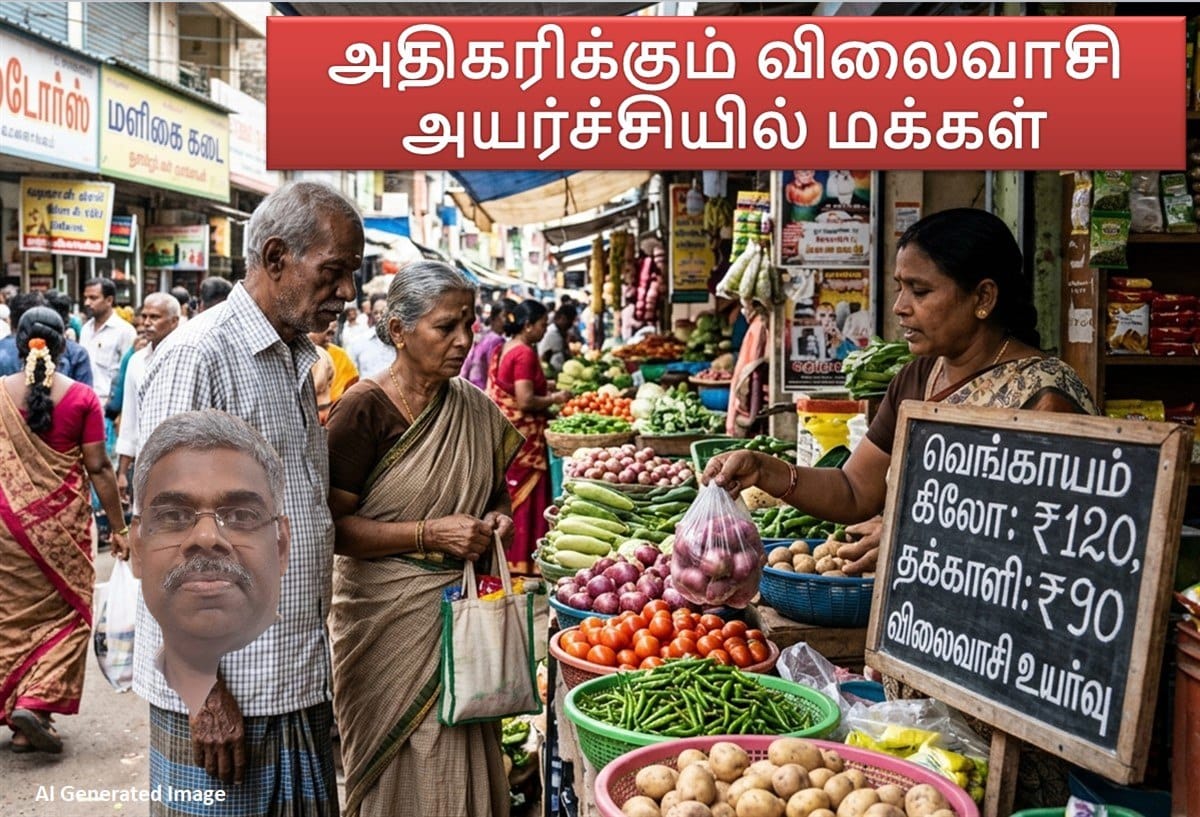
தென்தமிழ் தலையங்கம்: அதிகரிக்கும் விலைவாசி உயர்வு - அயர்ச்சியில் மக்கள் - காரணங்கள், தீர்வுகள்!
கோடை எப்எம் மட்டும்தான் - அதுவும் 2 மணி நேரம்தான் - மறக்க முடியாத ஸ்கூல் டேஸ்!
இரவுக்குப் பின்னால் ஒரு விடியல் - ரம்யாவின் கவிதைத் தோட்டம் (7)
"அப்படீன்னா சாரதா இங்கேதான் இருக்காளா".. கடைசி பெஞ்சில் இருந்த பெண் (2)
சமையல் With ஸ்வர்ணா: ஸ்ப்ரவுடட் சன்னா வெஜிடபிள் சாலட் -வெள்ளிக்கிழமை ஸ்பெஷல்!
துலா ஸ்நானம் என்றால் என்ன?- ஐப்பசி மாதம் தோன்றிய விதம் இதுதான்!
ஈரோடு வந்திருக்கீங்களா- கோணப் புளியங்கா சாப்பிட்டிருக்கீங்களா? - சொல்றேன் கேளுங்!
{{comments.comment}}