A Journey I Carry Within.. மறக்க முடியாத ஒரு பயணத்தின் தொடக்கம்!
- வ. துர்காதேவி
ஒவ்வொரு பயணமும் மறக்க முடியாதது, அதன் அதன் போக்கில் அது அழகானதும் கூட இல்லையா.. மறக்க முடியாத அந்த அனுபவத்தை உங்களுடன் பகிர்ந்து கொள்கிறார் வ. துர்காதேவி.
With quiet excitement, I want to share a part of my life that many may hesitate to speak about openly. As a woman, I understand its depth, and I choose to hold it gently within my words.
I entered married life at the age of nineteen. To say I was unprepared would be an understatement. I knew nothing about marriage—about relationships, responsibilities, or the emotions that come with them. I often wondered why people spoke in certain ways, why voices were raised, and why my in-laws behaved the way they did. Everything felt unfamiliar.
I had never even stepped into a kitchen before my wedding, yet suddenly I found myself immersed in family life. It took me nearly two years to begin understanding that world. By then, I was expecting my first child—marking the beginning of a journey I can never forget.
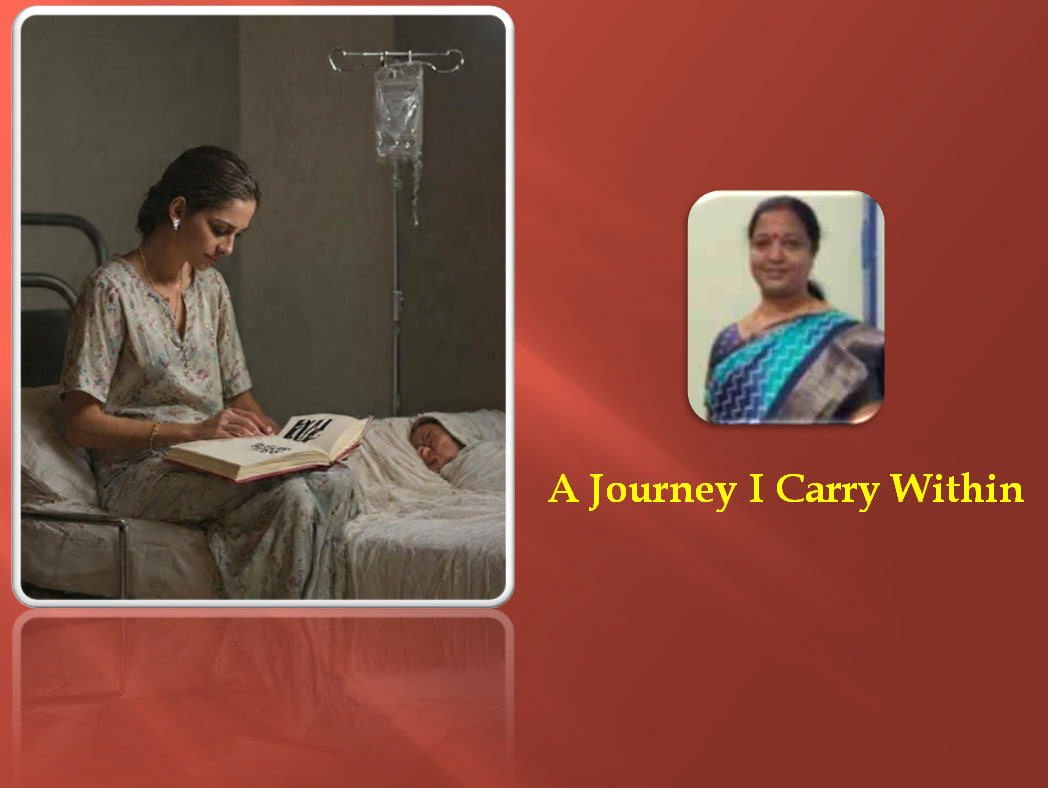
As my due date approached, the doctor advised me to get admitted in advance. I went to the hospital carrying a few books, thinking I could pass the time reading. The young nurses—many of them from Kerala—would stop by, curious and cheerful. They asked about my books, noticed the sacred thread I wore, and filled those days with small, warm conversations.
I used to keep kumkum in my mangalyam, and it had stained my stomach. One day, the nurses noticed it and asked, with complete innocence—not joking at all—whether I was keeping kumkum for the baby inside. Their question surprised me, but it also reflected the simplicity and curiosity with which they saw the world.
But two days of hospital food left me exhausted. When the chief doctor came for her rounds, I requested permission to return home and come back once labor began. She hesitated, concerned about my age—I was only twenty-one—but I insisted. Finally, she agreed.
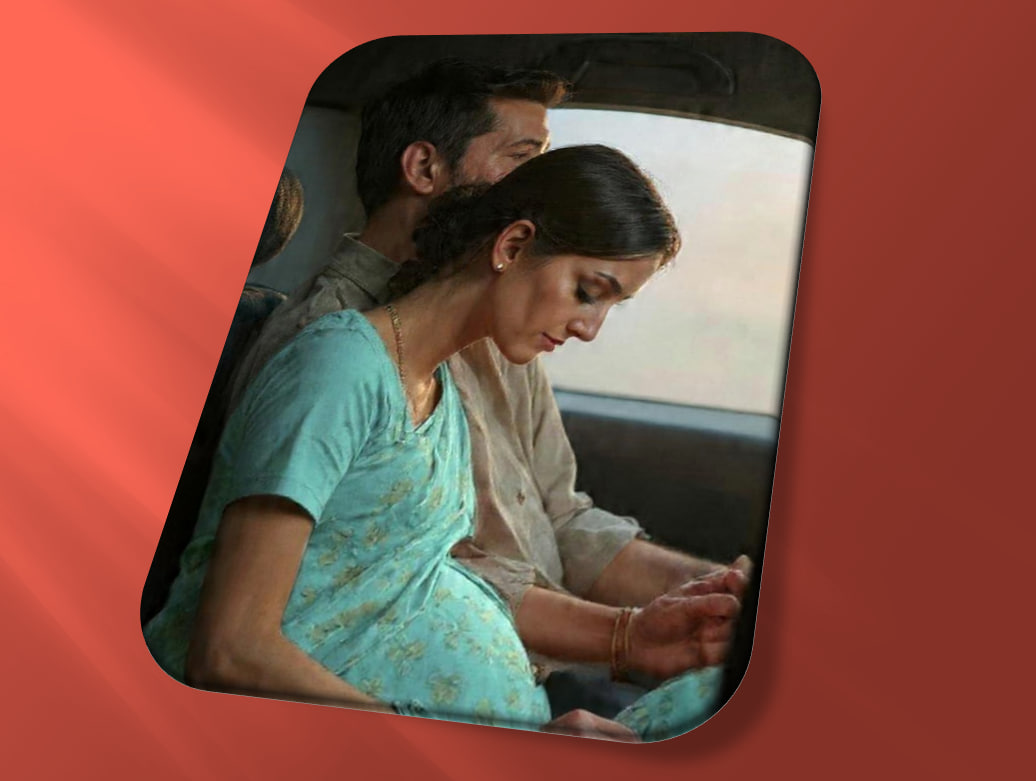
That night, around ten, I felt the first signs of pain. By midnight, it had intensified. We quickly called the same taxi that had dropped us earlier and began our return journey. It was the peak of April, and the heat was relentless. Before leaving, my sister handed me a glass of warm milk with care and affection—a small comfort before what lay ahead.
As we travelled, the pain grew stronger. It was Chitra Pournami, a significant day in South India, and the roads were crowded with processions. In Vellore, the temple chariot festival had brought traffic to a standstill. I sat in the car, gripping my husband’s hand tightly, as wave after wave of pain surged through me.
Somewhere within me, a quiet resolve formed: I would not cry. I was about to welcome a new life—why should that moment begin with tears? I held on to that thought and endured the pain in silence.
It felt almost like scenes from a film—moments of endurance and emotion—but this was real, and it was mine.
We finally reached the hospital around three in the morning. By five, the chief doctor saw me and gently reminded me that I should not have left earlier. By then, the pain had grown intense, almost unbearable.
At one point, a senior nurse inserted a needle to administer glucose, then removed it and asked a trainee to try again. I watched them quietly for a moment and then asked, as gently as I could, “Don’t you think this is unfair?” They replied with honesty—only a few would understand, and practical learning had to happen this way. That moment stayed with me. It was my body, my pain—and yet, it was also someone else’s lesson.
As the pain intensified, something else unfolded. A group of medical students gathered around me, eager to record case details. There was even a quiet argument among them about who had come first and who would get to document my case. It was all new to me. Later, when they realized mine was likely to be a normal delivery without complications, some of their excitement faded. One of them explained that for their records, a patient needed to stay at least three days—but I would probably be discharged the next day. In that moment, I understood something else: their learning came from us, from real human experiences—not just textbooks.
Sensing my growing discomfort, the doctors administered a pain relief injection. I remain deeply grateful to the medical world for that relief—it felt nothing short of a miracle. The medication made me slightly drowsy, and for a while, I drifted into sleep.
As the morning progressed, I became more aware of my surroundings. The cries of other women in labor echoed through the ward—calling out to gods, crying in pain. Their voices created a strange tension within me. It was not fear, but an urgency that filled the air.
By noon, I found myself thinking about something very familiar to us—auspicious timing. It was a Saturday, and around twelve was considered a good hour. I silently wished my baby would arrive within that moment.
And then, at 12:07 p.m., with the support of doctors and nurses—without any distinction, only shared care and humanity—I gave birth to my elder son.
That moment remains etched in my memory, even after twenty-four years.
Two sets of tears stood out that day.
My mother looked at my child and saw her late husband—my father—who had passed away two years earlier. At the same time, my father-in-law looked at the baby and saw his wife, who had also passed away. It amazed me how the same child could carry different meanings for different hearts.
I was only twenty-one. I did not fully understand it then, but I felt the depth of it.
The next day brought a moment I still smile about. My husband, unfamiliar with many customs and simple gestures, came to see me carrying a string of jasmine flowers. The nurses and my mother laughed gently. That small act, though not perfectly timed or traditional, held its own meaning. It was not just a gesture for his wife—it was, in its own way, an offering to the young mother who had given him a new identity: a father.
My delivery was normal and, by grace, not as painful as many others describe. Perhaps life had already taught me endurance through earlier struggles, including the sudden loss of my father.
But what I truly learned came after.
The days following delivery brought their own challenges—the pain of stitches, the physical strain, and the quiet exhaustion. That is when I understood something deeply: pain is personal. It cannot be measured, compared, or judged. Each body is different. Each experience is its own truth.
Later that day, when my uncle visited me, he could not believe I had already delivered. I was sitting calmly, neatly dressed, reading a book. He compared it with the struggles he had seen in others. But that only strengthened my belief—there is no comparison in such experiences.
Every woman’s journey is her own.
And for that, I hold deep respect for every woman who has gone through childbirth in her own way.
My first delivery was gentle, by God’s grace.
But my second… was not.
That is a story for another day.
(About the Author: Durgadevi V, Graduate Teacher, GHS Nesal, Tiruvannamalai District)
சமீபத்திய செய்திகள்
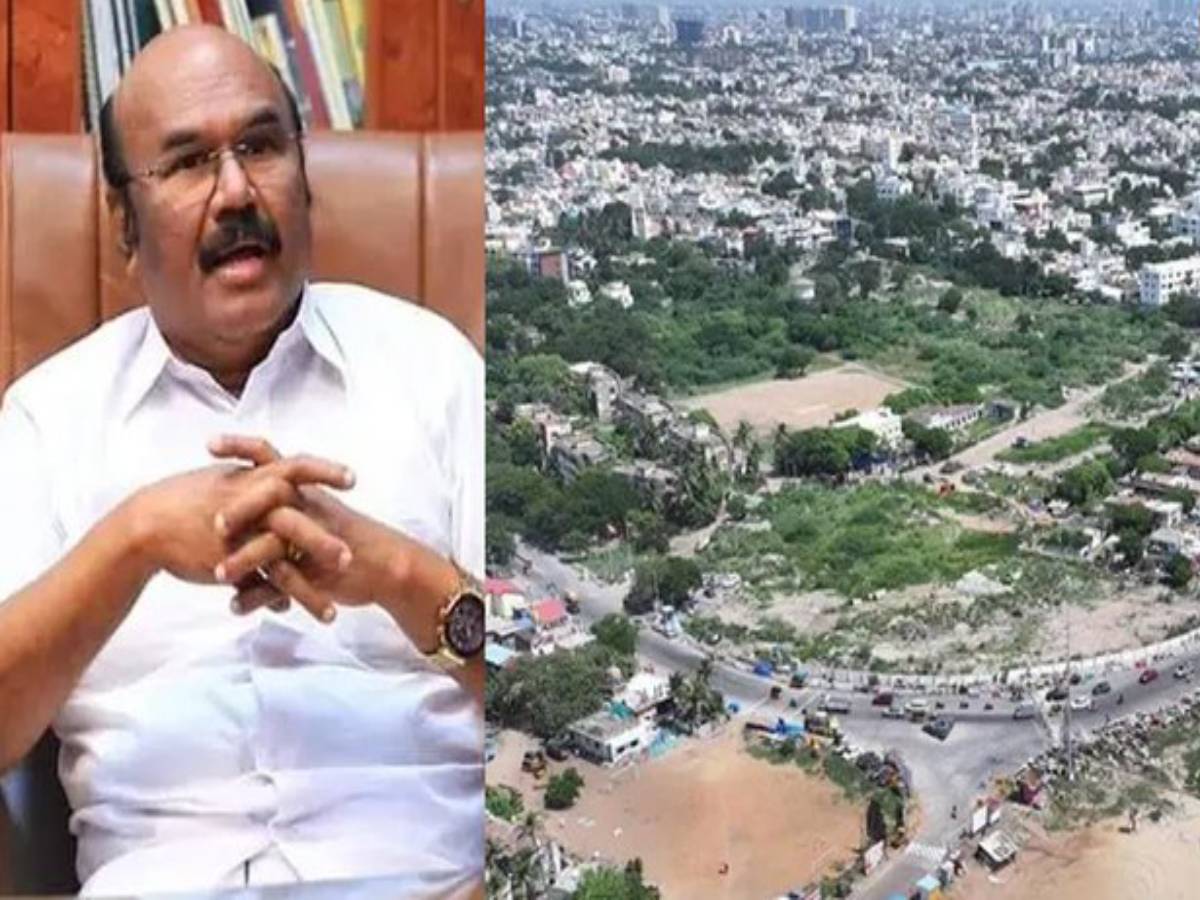
பட்டினப்பாக்கத்தில் தலைமை செயலகம் கட்டினால்...என்ன அதிமுக ஜெயக்குமார் இப்படி சொல்லிட்டார்?
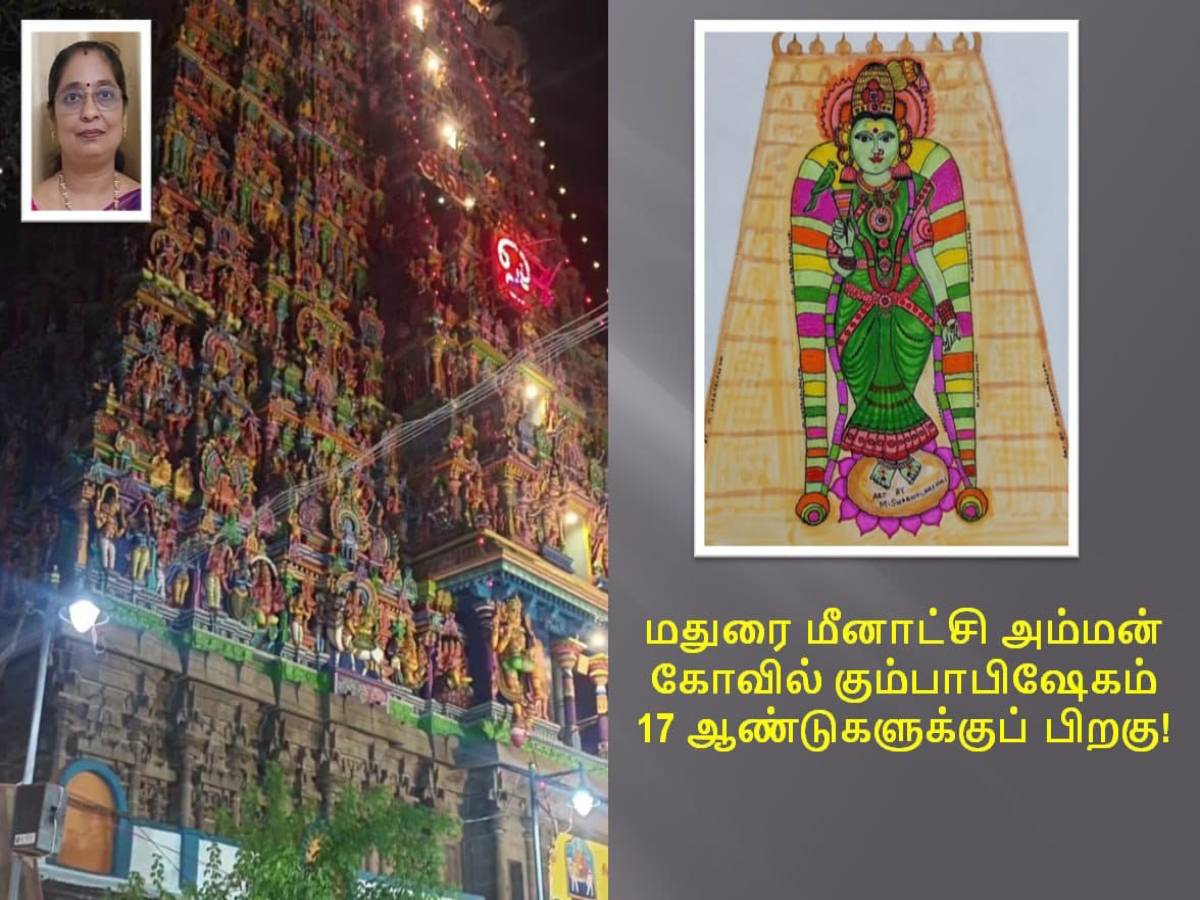
மதுரை அரசாளும்.. மீனாட்சி அம்மன் கோவில் கும்பாபிஷேகம்.. 17 ஆண்டுகளுக்குப் பிறகு!
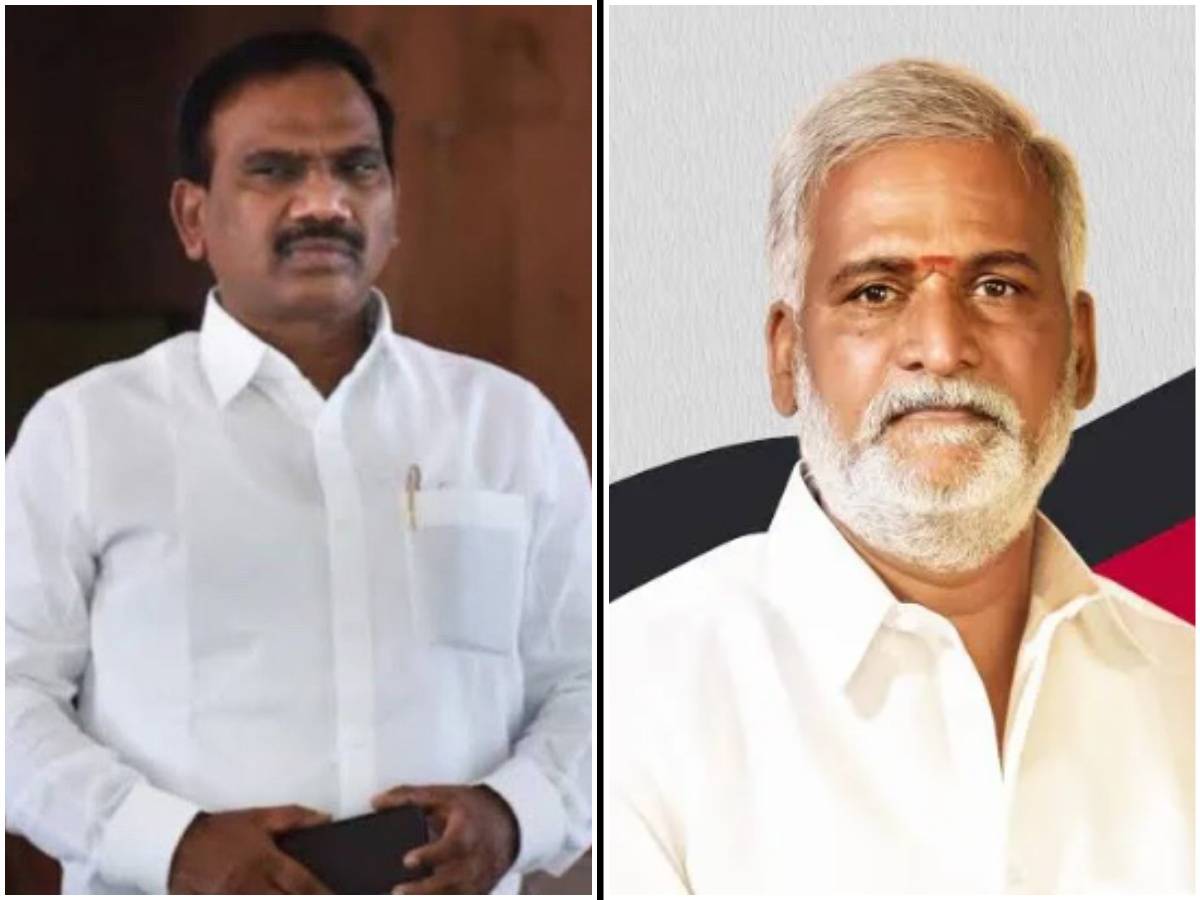
முதல்வர் விஜய் குறித்து அவதூறு பேச்சு: சேகர்பாபு, ஆ.ராசா மீது வழக்குப்பதிவு
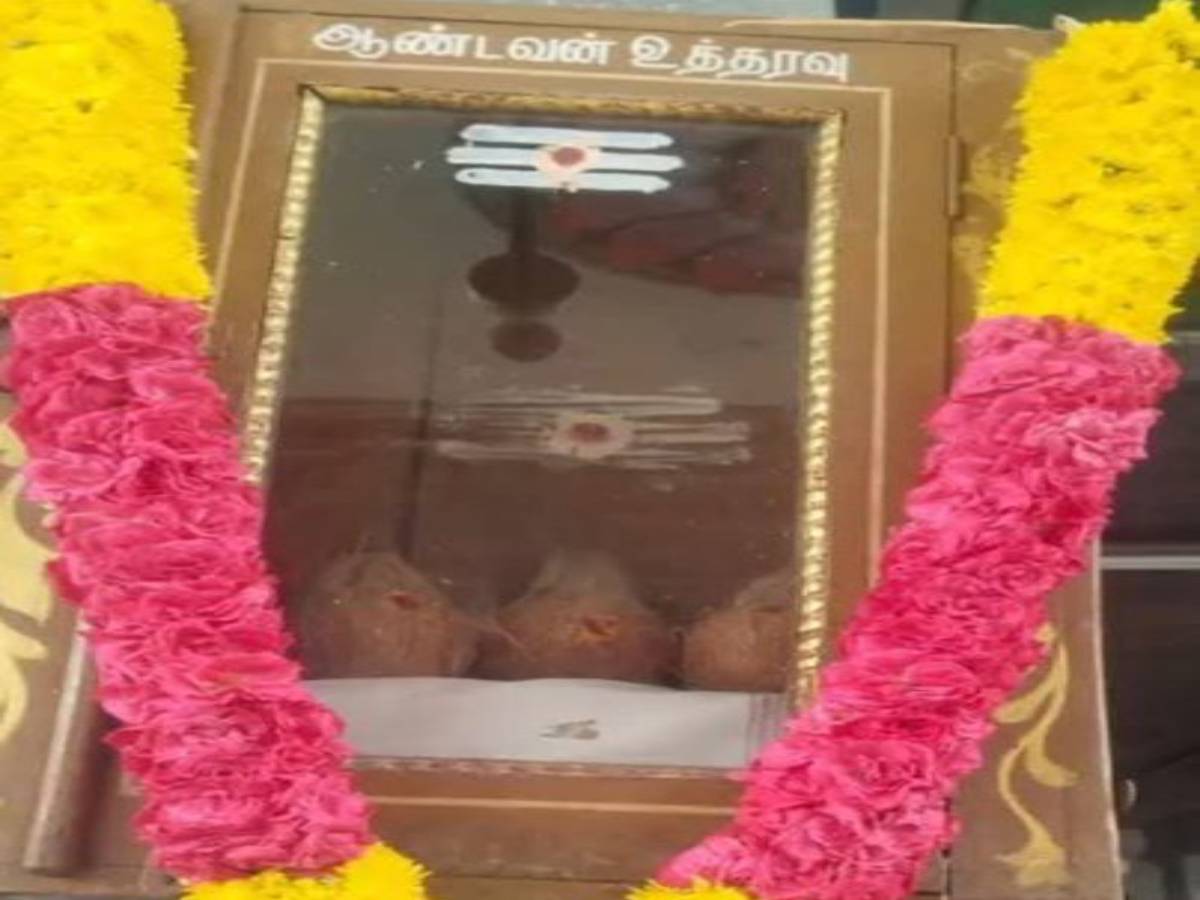
சிவன்மலை ஆண்டவர் உத்தரவுப்பெட்டியில் தேங்காய் வைத்து பூஜை...இது நடக்க போவது உறுதியா?
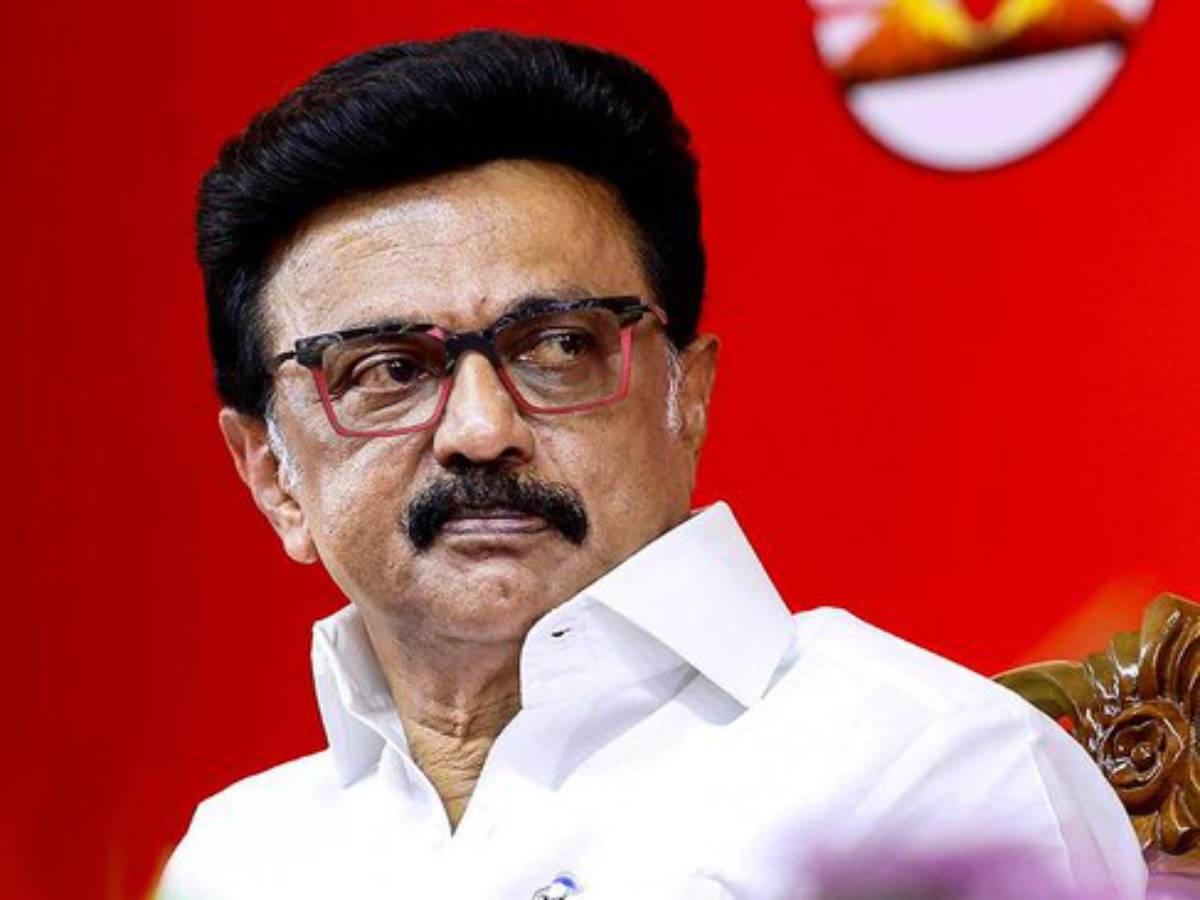
திமுக தலைவர் மு.க.ஸ்டாலினுக்கு வைரஸ் காய்ச்சல்: திமுக முப்பெரும் விழா ஒத்திவைப்பு!
காலம் மாறிப் போச்சு.. ஒரு நிமிடக் கதை (17)
அரும்பானவள் கொஞ்சம் குறும்பானவள்!
மணவாழ்க்கை.. துணையாள் சொல்படி நட!
சிந்தனைச் சிதறல்.. நல்லவர்களாக இருங்கள்.. நற்சிந்தனையோடு இருங்கள்!
{{comments.comment}}