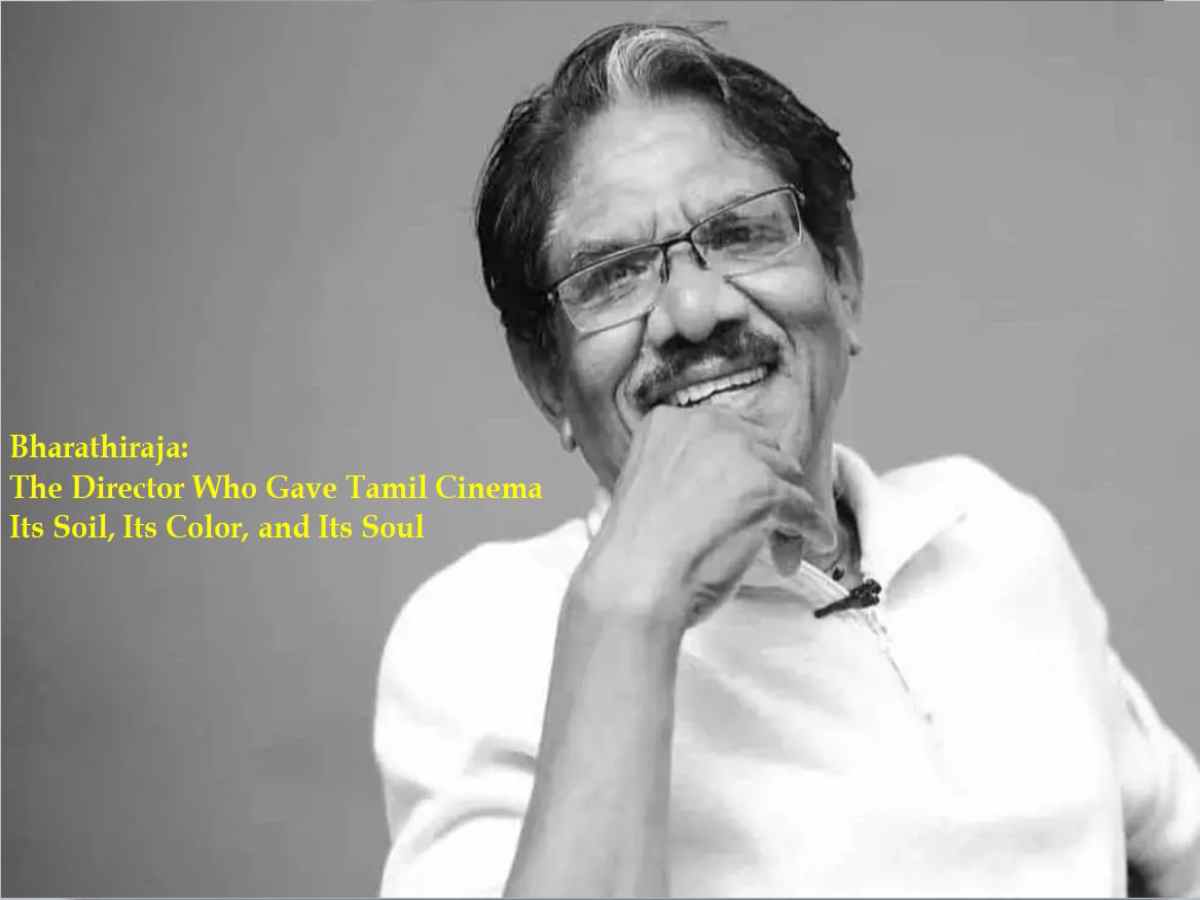
Bharathiraja: The Director Who Gave Tamil Cinema Its Soil, Its Colour, and Its Soul
இயக்குநர் இமயம் பாரதிராஜாவைப் பற்றி எழுத வேண்டுமானால்.. ஒரு பக்கத்திலோ அல்லது ஒரு புத்தகத்திலோ அடக்கி விட முடியாது. எழுத எழுத நீண்டு கொண்டே போகும் மாபெரும் சரித்திரம் அவர். அந்த சரித்திரம் இன்று நம்மிடமிருந்து விடை பெற்றுள்ளது.
பாரதிராஜா குறித்த சில நினைவுகள்.. நம்முடன் பகிர்ந்து கொள்பவர் வ. துர்காதேவி.
Some filmmakers make successful films.
Some create memorable cinema.
And then there are those rare visionaries who alter not merely an industry, but the way a people see themselves.
Bharathiraja belonged to that last category.
With his departure, Tamil cinema does not simply lose a legendary director.
It loses one of the hands that painted its emotional landscape.
For generations, Tamil cinema had spoken about villages.
Bharathiraja made villages speak for themselves.
Before him, rural life often lived inside constructed sets, painted skies, arranged costumes, and rehearsed realities. Villages appeared neat, distant, and ornamental.
Then Bharathiraja arrived.
The studio doors opened.
The camera travelled into the heat of the afternoon, into fields brushed by wind, into temple streets, courtyards, ponds, and homes where life unfolded without performance.
Sunlight remained sunlight.
Silence remained silence.
Faces remained unpolished.
Life remained life.
And in doing so, Tamil cinema was transformed.
He did not merely change where the cinema was shot.
He changed how people spoke, looked, loved, and existed on screen.
He restored authenticity to performance, trusted regional dialects, welcomed unfamiliar faces, and proved that ordinary lives could hold extraordinary cinema.
He did not merely show villages.
He restored their dignity.
His villages were not backgrounds.
They breathed.
The frames carried pathways lined with memory, temple festivals, harvest rituals, folk traditions, local dialects, cattle sheds, water scarcity, family honour, unspoken affection, social hierarchies, and the quiet rhythms that shaped generations.
What Bharathiraja understood with unusual tenderness was this:
A village is not geography.
It belongs.
It is the woman drawing kolam before sunrise.
It is a conversation near wells.
It is old men beneath trees measuring time through stories.
It is children running barefoot.
It is the affectionate bond between people and the animals they raise—not ownership, but companionship.
His cinema preserved not merely visuals—
but a way of life.
And because of that, it became a memory.
Yet calling Bharathiraja merely a “rural director” would diminish the breadth of his imagination.
His cinema travelled fearlessly across emotions, ideas, and genres.
When audiences expected only village stories, he entered psychological thrillers and urban narratives and showed that human complexity had no geography.
When romance risked becoming decorative, he gave it ache and honesty.
When cinema simplified women, he gave them inner worlds.
When society avoided difficult questions, he quietly placed them at the centre of the screen.
His love stories remain among the most cherished in Tamil cinema because they understood that love is not always celebration.
Sometimes love waits.
Sometimes it sacrifices.
Sometimes it remains unfinished.
His lovers crossed caste, religion, distance, and silence.
Love in his cinema was not a spectacle.
It was longing.
It was a memory.
It was courage.
His women remain among the defining legacies of his storytelling.
Long before representation became a common conversation, Bharathiraja wrote of women who thought, desired, questioned, endured, resisted, and existed beyond supporting roles.
These were not symbols.
They were lives.
Without declarations or slogans, difficult questions emerged naturally:
Why must honour become a burden women carry?
Why are sacrifice and silence expected as virtues?
Why should freedom arrive with conditions?
His feminism was never announced.
It was lived.
Another recurring concern in his cinema was the wounded dream of youth.
His films touched on unemployment, disappointment, and the invisible exhaustion of waiting for life to begin.
He understood that unemployment is not merely economic.
It is emotional.
It is the slow fading of confidence.
His characters carried hope and helplessness together.
They reflected generations who learned to endure disappointment without losing tenderness.
His political understanding was equally observant.
Without speeches or slogans, his stories revealed how power enters everyday life.
How systems decide whose voices matter.
How ordinary people negotiate dignity within invisible structures.
Across different decades, his cinema continued returning to the same enduring questions—
love,
dignity,
social conscience,
memory,
belonging,
and the cost of being human.
And then he travelled across time.
With films like Nadodi Thendral, history was recreated with lyricism and emotional depth.
Even in later works such as Annakodi, the gaze remained unchanged—still searching for people rather than spectacle, emotion rather than ornament.
Changing eras never altered his faith in human feeling.
Music found another home in his cinema.
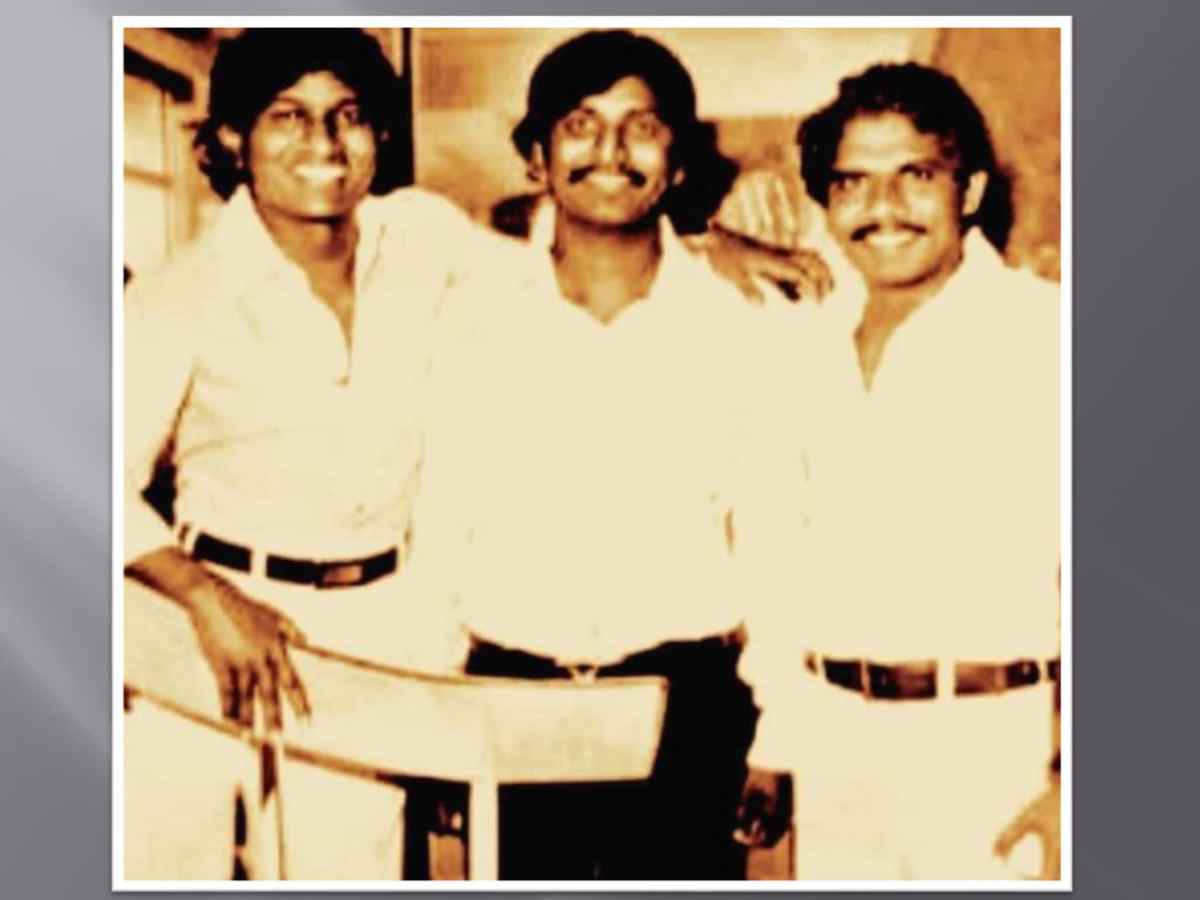
His collaboration with Ilaiyaraaja remains one of Indian cinema’s most meaningful artistic partnerships.
Together, they gave sound to landscapes.
Songs did not interrupt stories.
They completed them.
Later, his work also embraced the brilliance of A.R. Rahman, proving that rootedness and renewal could coexist.
His stories travelled beyond Tamil as well.
Several found new life in Telugu and Hindi, and Bharathiraja himself left a distinct imprint there.
Yet wherever the stories travelled, they carried their birthplace with them.
Different language.
Same heartbeat.
Another enduring legacy was his faith in new faces.
He recognised possibility before others recognised fame.
Many artists introduced through his films continue to illuminate Tamil cinema across generations.
That contribution cannot be counted.
Only remembered.
If Tamil cinema today carries the fragrance of the soil, the colour of lived experience, the music of landscapes, and the dignity of ordinary lives, a part of that inheritance belongs to Bharathiraja.
He did not simply direct films.
He widened the horizon of what Tamil cinema could see.
Today, as audiences bid farewell to the filmmaker, they also bow to an era.
Because Bharathiraja never merely filmed the soil.
He listened to it.
And somewhere—
in every field touched by evening light,
in every village road disappearing into distance,
in every melody carried by the wind,
in every ordinary life waiting to be noticed—
The cinema remains.
The soil remembers.
(About the Author: Durgadevi V, Graduate Teacher, GHS Nesal, Tiruvannamalai District)

சமீபத்திய செய்திகள்

5 மாவட்டங்களுக்கு இன்று ரெட் அலர்ட்.. சென்னை உள்பட 11 மாவட்டங்களில் கன மழைக்கு வாய்ப்பு

அறுசுவை தாமு அண்டத்தில் சேர்ந்தார்!

"சோறு கண்ட இடம் சொர்க்கம்".. இந்தப் பழமொழியின் உண்மை அர்த்தம் என்ன தெரியுமா?

திருவள்ளுவர்: உலகுக்கு வாழ்வியல் கற்றுக்கொடுத்த தமிழின் மாபெரும் புலவர்!
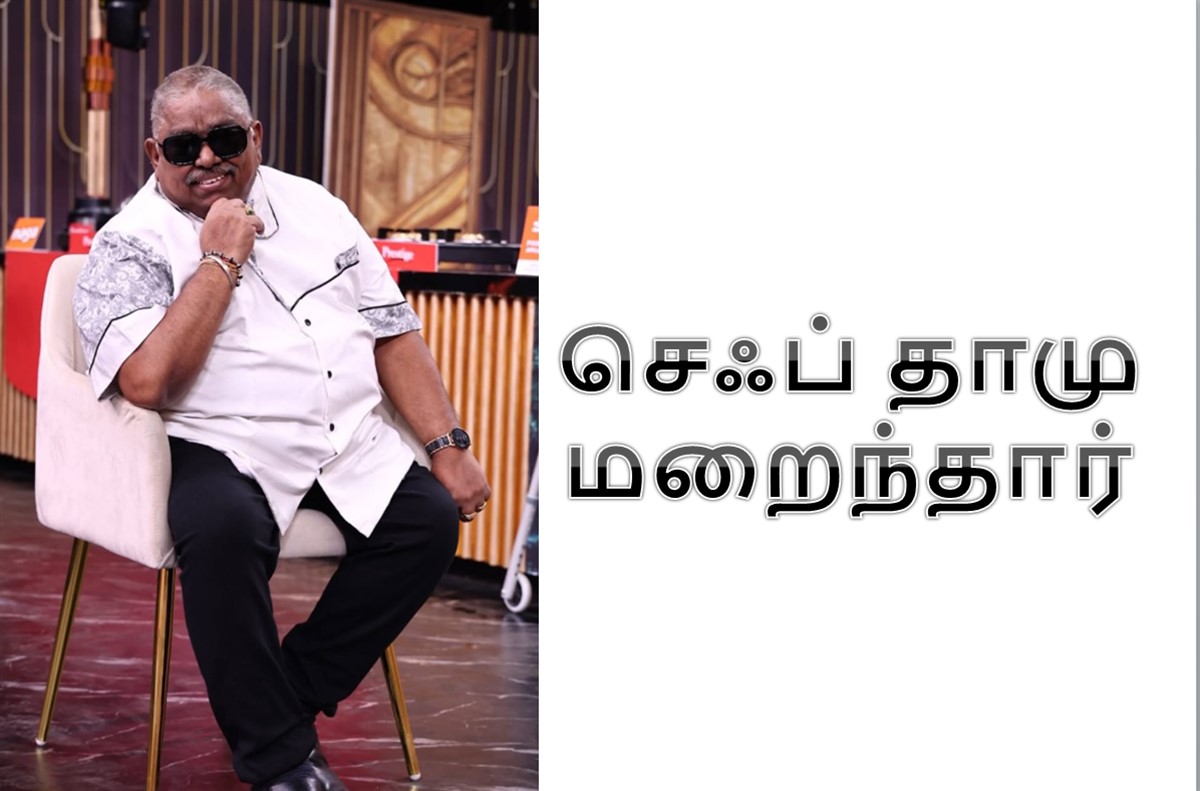
RIP Chef Dhamu.. மணக்க மணக்க சமைத்து சாதனை படைத்த.. செஃப் தாமு மறைந்தார்

எண்ணி எண்ணி ஏங்க வைக்கும் ஒரு வாடல்!

உணவே உயிர் என உணர்த்திய ஞானி!
Short Story: இப்படியும் ஒரு மாமியார்!

திசை

{{comments.comment}}