When Arjuna Awoke from Half Sleep.. பள்ளிப் பருவத்து நினைவலைகள்!
பள்ளிக்காலத்தில் நடந்த சுவாரஸ்யங்களை எப்போதுமே மறக்க முடியாது இல்லையா.. அப்படிப்பட்ட ஒரு கலகலப்பான அனுபவத்தை நம்முடன் பகிர்கிறார் வ. துர்காதேவி.
A childhood memory
Some memories remain alive in the mind no matter how many years pass. Even after more than thirty-five years, one particular memory from my childhood continues to return to me with surprising clarity.
I was studying in the fourth standard then. From LKG to fifth standard, our school was located just two streets away from our home. Every morning my elder sister, my younger brother, and I would walk to school together and return home the same way in the evening. Those short walks, simple as they were, now appear as some of the most peaceful moments of childhood.
The same school, however, had its higher classes—from sixth to twelfth standard—at another campus nearly ten kilometres away, near the famous Palar Bridge of Vellore. In those days it was considered a very prestigious institution and was the first CBSE school in the district.
That year the annual day celebration was planned at that larger campus. In those days there were no school buses like we see today. Parents themselves had to take their children to the venue and bring them back home.
Around that time my father was frequently away on official duty. Being an auditing inspector, he often travelled on camp and usually came home only during weekends. When I mentioned the annual day program to my mother, she said gently,
“There is no one here to take you there and bring you back. So perhaps you may not be able to participate.”
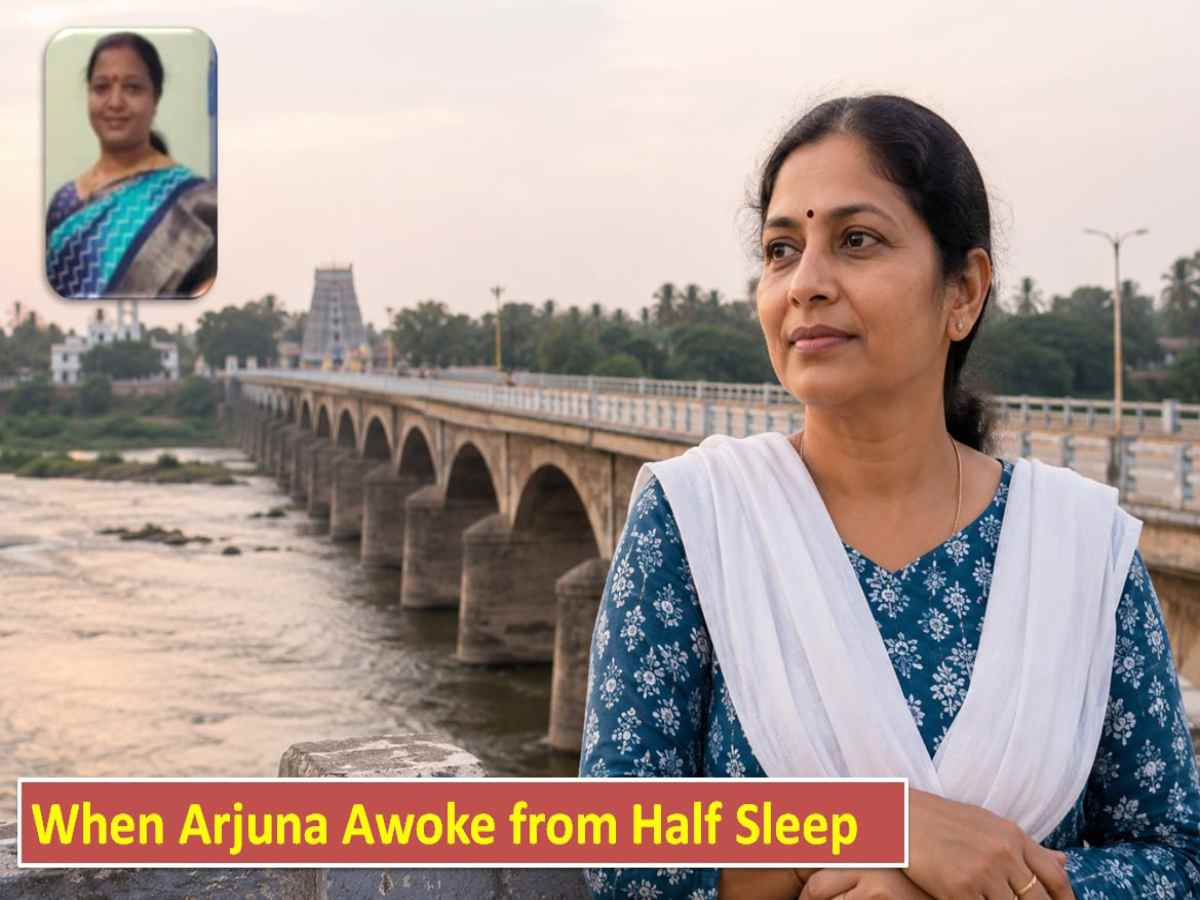
I was never someone who eagerly chased stage performances like dancing. Yet somehow my name would find its way into competitions and dramas without my knowledge. Teachers would include me in elocution contests, written competitions, and sometimes even stage plays.
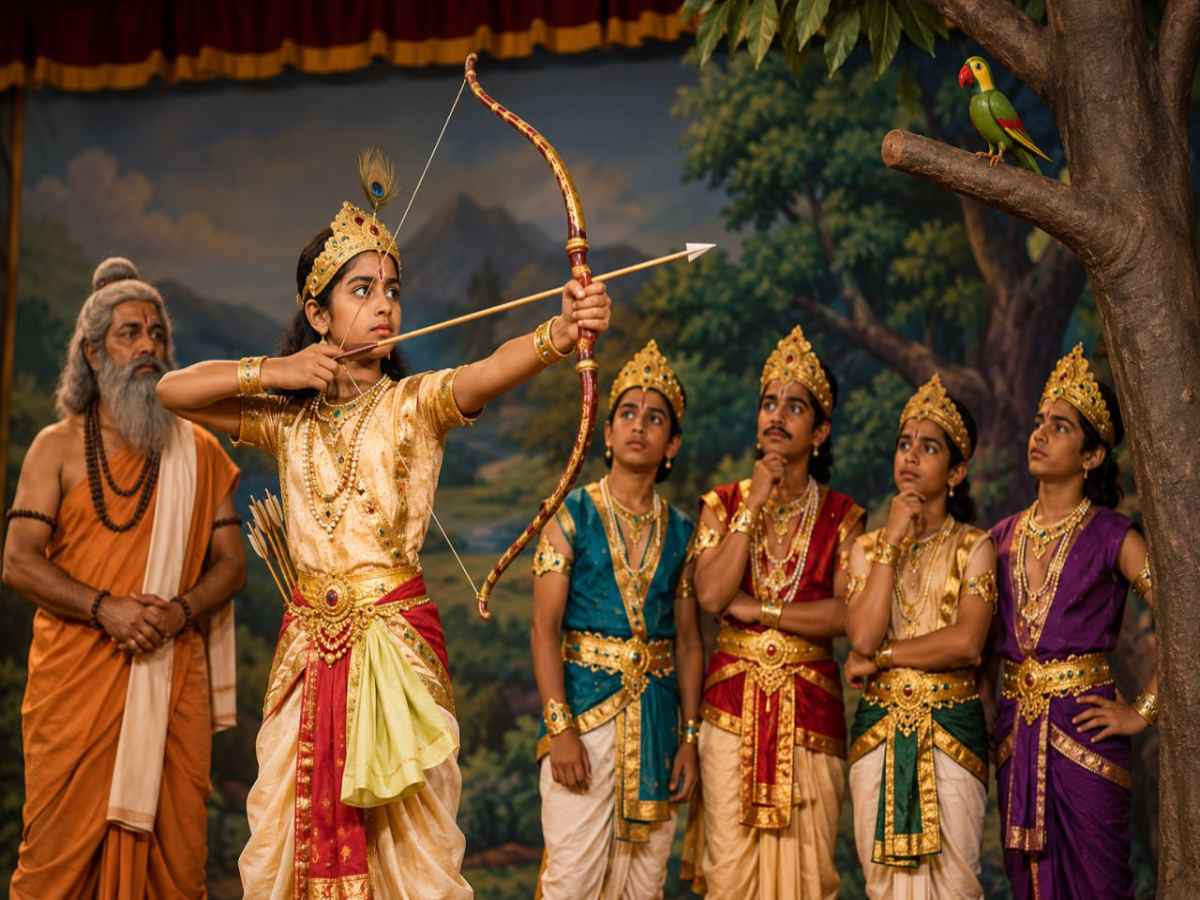
For that annual day too, my name had already been included in a short drama based on a well-known episode from the Mahabharata.
The story was simple but meaningful.
The guru places a wooden parrot high on a tree branch and asks the five Pandava brothers to aim at it with their bows and arrows. Before allowing them to shoot, he asks each one,
“What do you see?”
One brother says he sees the tree with all its branches.
Another speaks about the leaves and fruits.
Bhima mentions the mangoes hanging from the tree.
Each one notices many things around the target.
But when Arjuna’s turn comes and the guru asks the same question, Arjuna replies calmly,
“I see only the right eye of the parrot.”
That single line reveals his complete concentration. Pleased with that answer, the guru allows him to release the arrow.
When the teachers began assigning roles for the play, there were six characters—the Guru and the five Pandavas. After some discussion they started distributing the parts.
At first they gave me the role of Bhima.
But when they looked at me carefully, they began to laugh among themselves. Bhima is known for his strong and powerful build, whereas I was extremely lean in those days. The contrast itself looked amusing.
After a short discussion one teacher said,
“Let her play Arjuna instead.”
The others agreed, and thus the role of Arjuna came to me.
Once the roles were decided, the next challenge was arranging the costumes.
Today we can order anything instantly on a mobile phone. Shops selling costumes and accessories are everywhere. But those days were very different. Even finding the smallest decorative item required patience and effort.
The costume required a white pyjama and a dhoti to give the appearance of an ancient warrior. We also needed armlets, small ornaments, a crown, and even footwear that resembled the kind worn by kings in ancient times.
My mother and I went from shop to shop searching for these items. Most shopkeepers gave the same answer:
“Not available now… maybe next week.”
But the program was only two days away. What was the use of getting something next week when the function would already be over?
Even the smallest things required effort to find. Tiny decorative studs, which today can be bought easily anywhere, demanded visits to several shops before we managed to get them.
My mother then bought small colourful glass beads from a shop. With great patience she strung them together and made simple bracelets for my hands. She even used some of the beads to prepare a small decorative hanging for the crown.
At that time my maternal uncle came forward to help. He was very skilled in craft work. He bought sheets of golden paper and carefully prepared beautiful crowns—not just for me, but for all the characters in the drama.
Those crowns, though handmade, looked surprisingly grand on stage.
Even the search for the slippers became a small adventure. They had to resemble the footwear worn by kings in ancient times. After visiting several shops we finally found something that looked reasonably similar.
Thus, piece by piece, the costume slowly came together—from the crown on the head to the slippers on the feet.
Looking back now, I realise that the preparation itself was an experience. Each small item demanded effort, patience, and persistence.
The next question, however, was how I would travel to the school for the program.
Fortunately my father’s younger brother, who was working in BHEL at Ranipet, happened to visit us around that time. When he heard about the situation, he immediately said, “Don’t worry. I will take her to the school.”
Thus help arrived from both sides of the family. My maternal uncle prepared the crowns for the play, and my paternal uncle took responsibility for taking me to the school.
We reached the school around three in the afternoon, though the program included performances from LKG all the way to twelfth standard. One event followed another.
I still remember the stage very clearly.
It was not decorated with colourful lights and glittering decorations like we see today. Instead, the background consisted of plain white curtains that gave the stage a calm and warm appearance. On either side stood two tall pillars placed purposely to create the impression of a royal palace.
The stage was simple, yet dignified.
By around eight in the evening, we younger students were extremely tired. Some of us went to a nearby petty shop to eat something.
I had a habit in those days of sleeping before nine o’clock wherever I was. Even when visiting my grandparents’ house, by 8:45 I would usually fall asleep.
That night was no different.
Sitting on a chair backstage, I slowly drifted into sleep.
Suddenly someone shook my shoulder and said urgently,
“Wake up! Your drama is next!”
I opened my eyes in confusion. My mind was still half asleep.
A sudden thought rushed through my head:
Will I remember the dialogue now?
I was sleeping just a moment ago.
Will all the effort and practice I did go waste?
But another reassuring thought followed immediately:
No… I have practised it many times.
With that small confidence I stood up, picked up the bow and arrow, and walked onto the stage.
At home I had practised the scene repeatedly with the help of my neighbourhood friends. We had made a small tree-like structure and placed a toy parrot on it so that I could rehearse the scene again and again.
Now the moment had arrived.
One by one the Pandava brothers answered the guru’s question.
Finally my turn came.
I lifted the bow, focused on the parrot, and released the arrow.
It did not strike exactly at the eye as in the story.
But it struck the parrot itself.
The audience clapped, and the drama concluded successfully.
Even today, after thirty-five years, that memory remains bright and fresh in my mind.
In those days such events happened only once in a year. Because they were rare, they were precious. That is why they remain vivid even today.
Nowadays many schools conduct stage programs almost every month—Mother’s Day, Father’s Day, Grandparents’ Day, Feast Day, and many other celebrations. Banners are displayed all over the streets announcing these events.
Yet strangely, many children hardly remember those programs even a year later.
Perhaps it is because excess of anything often loses its value.
But that simple annual day—when a sleepy child woke up and became Arjuna on stage—remains unforgettable even after three and a half decades.
And from that small experience a quiet lesson stayed with me:
Never step into something without proper preparation.
And once you decide to begin, never step back without completing it.
(About the Author: Durgadevi V, Graduate Teacher, GHS Nesal, Tiruvannamalai Dt)

சமீபத்திய செய்திகள்
தலையங்கம்: சிறுமிகளுக்கு எதிரான கொடூரம்.. அயோக்கியர்களின் கொட்டத்தை அடக்க வேண்டும்!
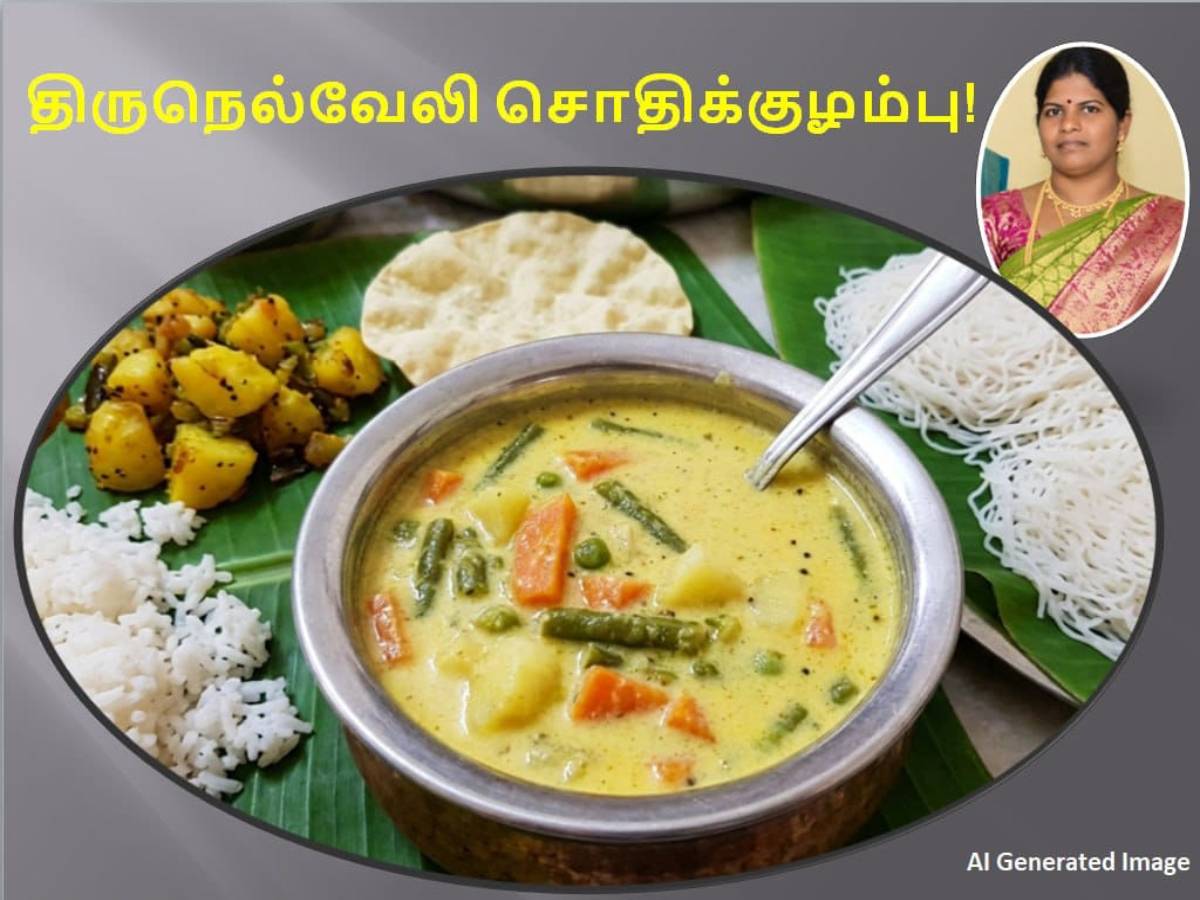
Nellai Special: வாழை இலை விருந்தும்.. நாவில் கரையும் திருநெல்வேலி சொதிக்குழம்பும்!

கீழ்வானம் செந்நிற ஆடை அணிய.... மலர்கள் சோம்பல்முறிக்க...!
திருமலை குமாரசுவாமி திருக்கோவில்.. குன்றின் மீதமர்ந்து.. அருள் பாலிக்கும் முருகப் பெருமான்!
"நல்லதே நினைப்போம் நல்லதே நடக்கட்டும்".. கதை அல்ல நிஜம் (2வது பகுதி)
Puzzle: அந்தாதி வினா விடை.. வர்றீங்களா விளையாடலாம்?
Story by Pooranavalli Sekar: பொறுமை.. ஒரு நிமிடக் கதை (20)
Short Story: மாயமான மாண்புமிகு!

என் கூற்று பொய்யும் அல்ல மிகையும் அல்ல!

{{comments.comment}}