நீரே ஆதாரம்.. வாழ்வின் மூலாதாரம்.. Water is Life
நீரின்றி அமையாது உலகு.. அது உண்மையும் கூட. தண்ணீர்தான் உயிர்களுக்கான அடிப்படை. அந்தத் தண்ணீர் இருப்பதால்தான் இது பூமி.. இங்கு உயிர்களும் தழைத்து செழித்து இருக்கிறது. இந்த உயிர் ஆதாரத்தைத் தேடித்தான் மனிதன் விண்ணுக்கும் மண்ணுக்குமாக அலைந்து கொண்டிருக்கிறான்.
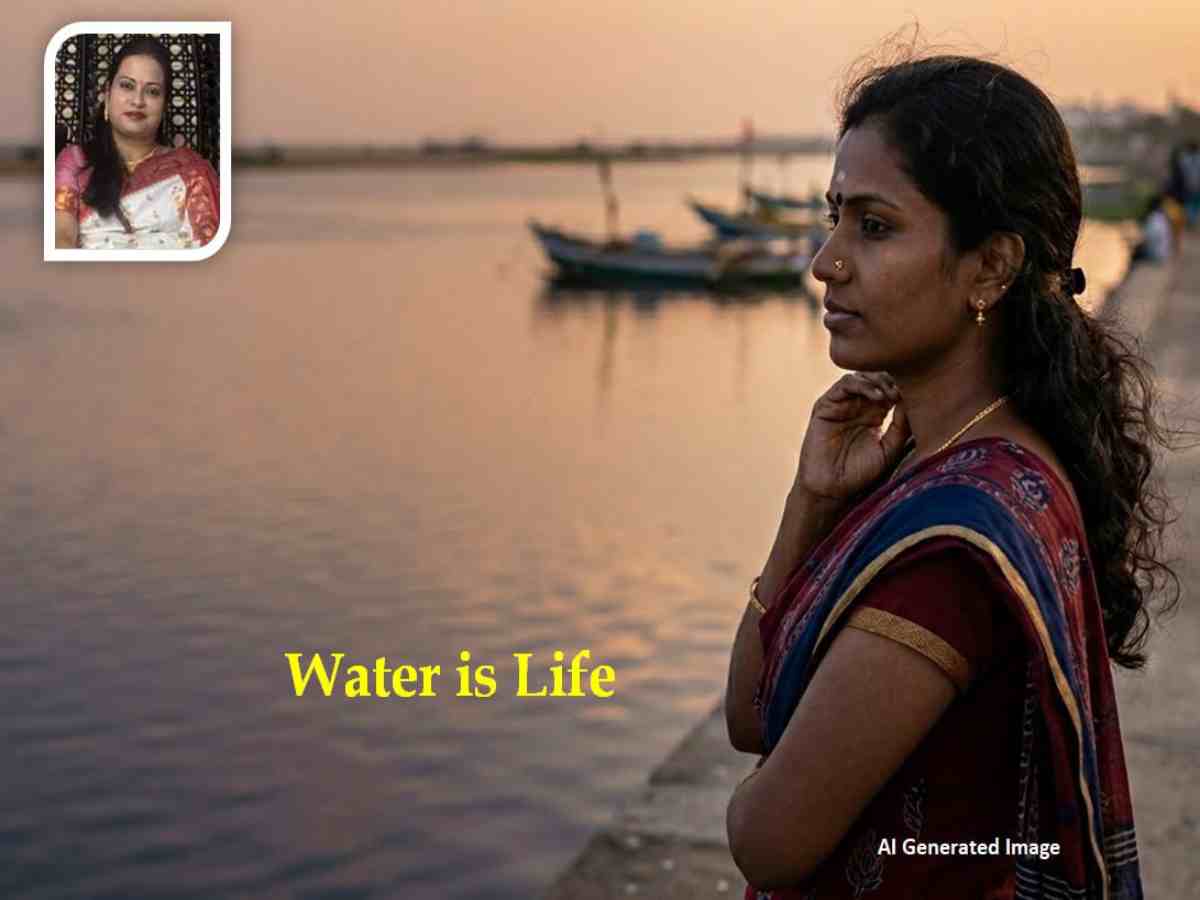
இப்படி உயிர்களுக்கு அடி நாதமாக விளங்கும் நீரைப் பாதுகாக்க வேண்டிய கட்டாய நிலையை நோக்கி மனித குலம் தள்ளப்பட்டு வருகிறது. இதுதொடர்பாக நயன்தாரா சூரியநாராயணன் எழுதியுள்ள அருமையான கட்டுரை:
What would be our life without water, - let imagine that the world has no water, all rivers and lakes have dried up, leading to having no plants or crops, we won’t be able to drink, cook food or maintain basic needs, the human body would quickly become dehydrated, leading to weakness, illness and eventually death. Animal also will not be able to survive and the whole ecosystem would collapse. In short without water life will not exist. Water being the most vital element for sustaining life on earth is dangerously depleting over the years, more so in case of fresh water which is needed to sustain life.
Fresh water is that water that contains a very low amount of dissolved salt and impurities making it suitable for drinking, agriculture and most human use. It is found in natural sources such as river, lakes, ponds, glaciers and underground water. It plays a crucial role in supporting ecosystem, maintaining human health and enabling activities like farming and industry. However, only a small portion of Earths total water supply is freshwater and an even smallest amount is easily accessible for use. In Indian fresh water is becoming very scarce, it is already considered “water stressed country”.
This means the demand for water is very high compared to the available supply. In fact, India population has put lot of pressure on water need as the gap between the number of people versus the freshwater availability is significantly wide. Studies show that nearly 600 million people in India face high to extreme water stress, and water availability per person is steadily decreasing every year. The major reason for fresh water scarcity in India is due to the fact population growth, overuse of ground water, irregular rainfall, water pollution and poor water management.
This fresh water crises, not only is affecting us but the same is seen all across the world. In 1993 United Nations announced 22nd March to be observed as WORLD WATER DAY to highlight the importance of freshwater and to raise awareness about the global water crises. The aim was to encourage people around the world to take action to manage and conserve water resources sustainably. Each year focuses on a specific theme, reminding us that billions o0f people still lack access to safe and clean drinking water, this year theme is Water and Gender- Where Water Flows, Equality Grows- focusing on the critical link between water and gender equality, stressing on safe drinking water and sanitation as fundamental human rights. This year campaign aims to center women and girl in water solutions, highlighting their disproportionate burden of water responsibilities and advocating for rights-based approach to address global water crises.
In India the Ministry of JAL SHAKTI has organized Jal Mahotsav 2026 a nationwide campaign running from International Women’s Day to World Water Day, to strengthen community ownership of rural water systems. A major highlight of the 2026 observance is the significant milestone reached by the Jal Jeevan Mission, which has now provided functional tap water connections to over 81% of rural Indian households, covering more than 15.79 crore homes. India has also fast-tracked the construction of major hydropower projects on the Chenab River, including the Pakal Dul and Kiru dams, following the 2025 decision to place the Indus Waters Treaty in abeyance. The year 2026 also marks the scheduled completion of Southeast Asia’s largest desalination plant in Chennai, a project designed to provide 400 million Liters of potable water daily to over 2.7 million residents. To foster local stewardship, the government is conducting Jal Arpan ceremonies across various states to formally hand over the management of piped water schemes to Gram Panchayats and village water committees.
All cross India lot of activities are being conducted to spread more awareness about water conservation and traditional water management practices. Saving water is essential for protecting our environment and ensuring enough supply for future generations. There are several simple yet effective steps we can take in our daily lives to conserve water like turning off taps while brushing teeth, fixing leaks promptly, reduce water wastage, colleting rainwater for gardening and household use is another practical method. We should develop a habit of reusing water wherever possible like using water used to washing vegetable can be used to sweep floor or water plants, using water wisely and planting more trees can help us conserve water and also support natural water cycle. By making small changes we can contribute in saving water for us and our future generations before it too late.
சமீபத்திய செய்திகள்

மதுராந்தகம், தாராபுரம் இடைத்தேர்தல் முடிவுகள்.. மக்கள் ஆதரவு யாருக்கு? யார் வென்றால் என்ன நடக்கும்?
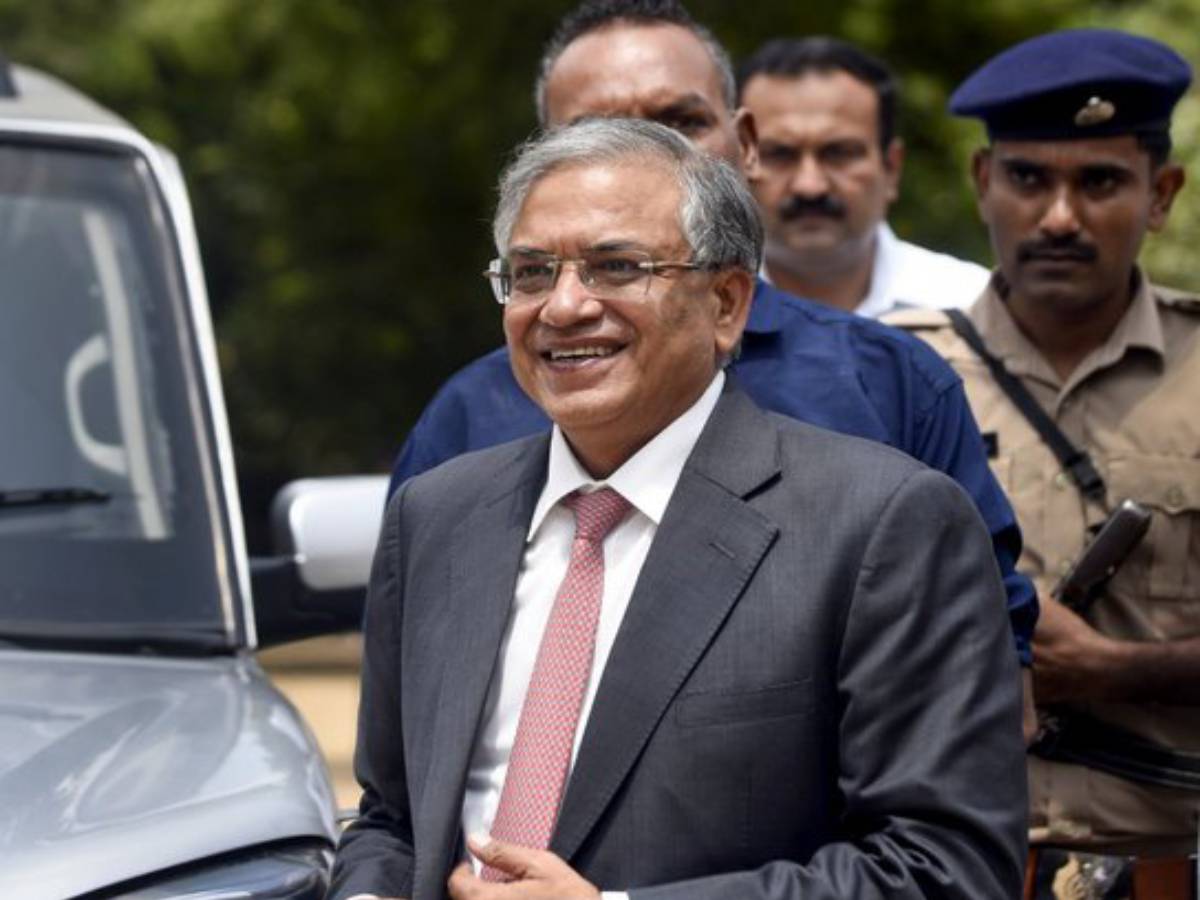
தலைமை தேர்தல் ஆணையர் ஞானேஷ் குமாருக்கு இசட் ப்ளஸ் பாதுகாப்பு: உள்துறை அமைச்சகம் உத்தரவு
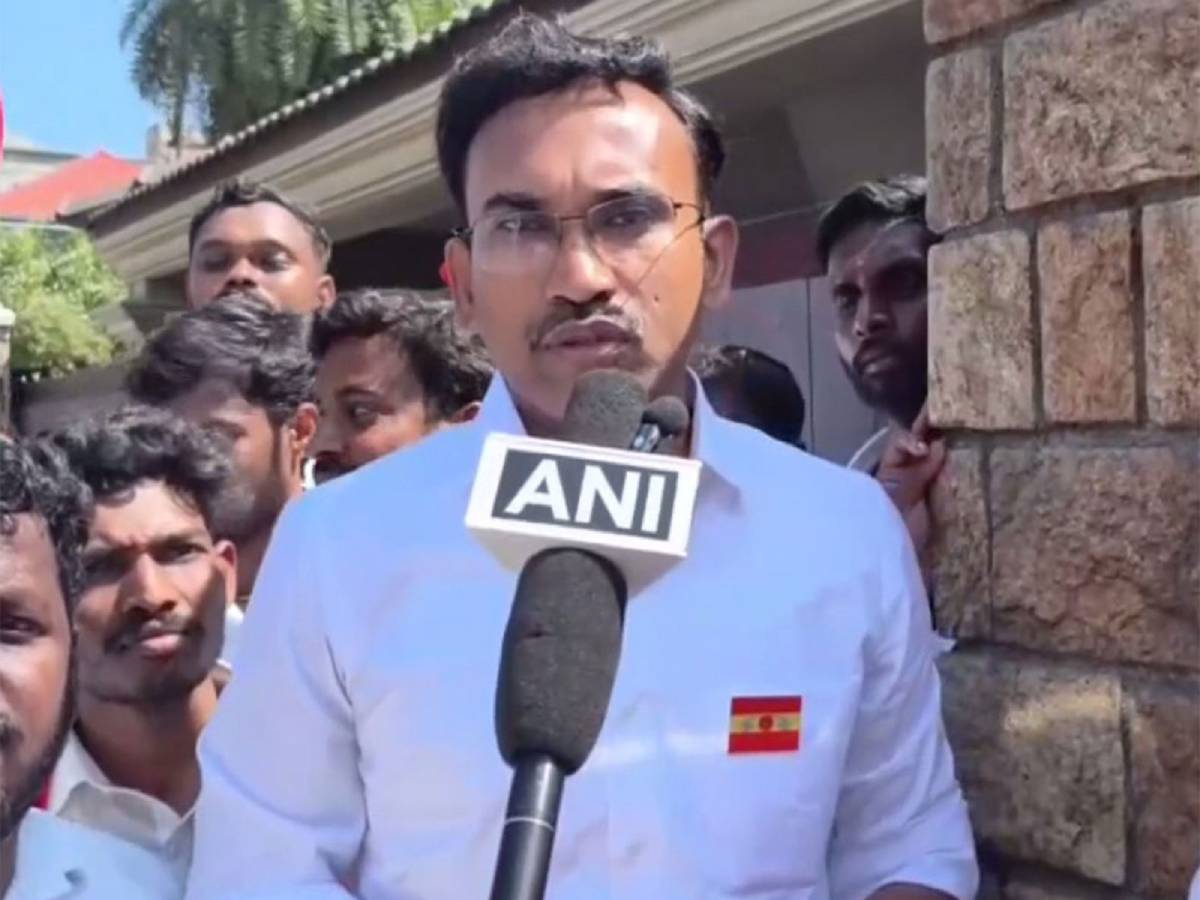
தமிழகத்தில் இதுவரை 21,655 பேருக்கு டெங்கு பாதிப்பு: அமைச்சர் அருண்ராஜ் தகவல்
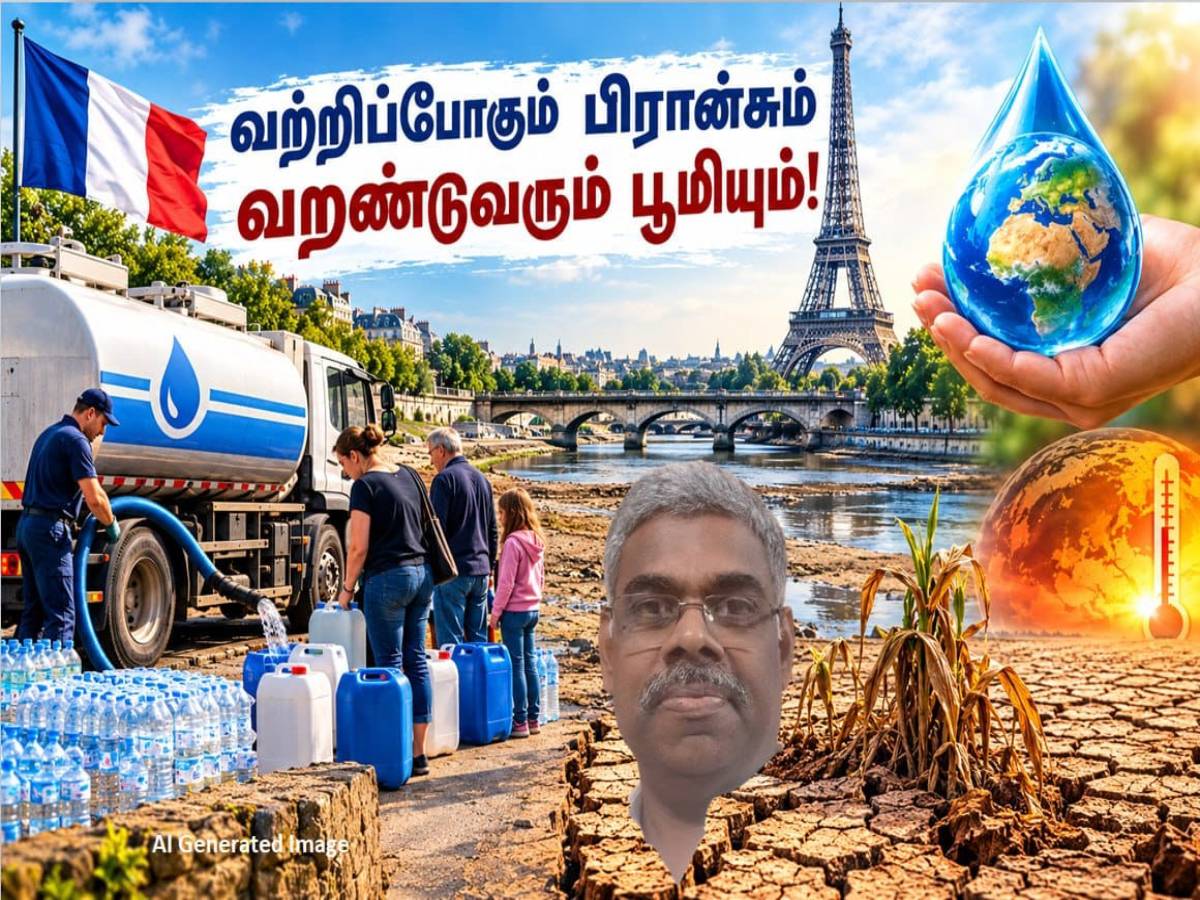
தென்தமிழ் தலையங்கம்: வற்றிப்போகும் பிரான்சும் வறண்டுவரும் பூமியும்!
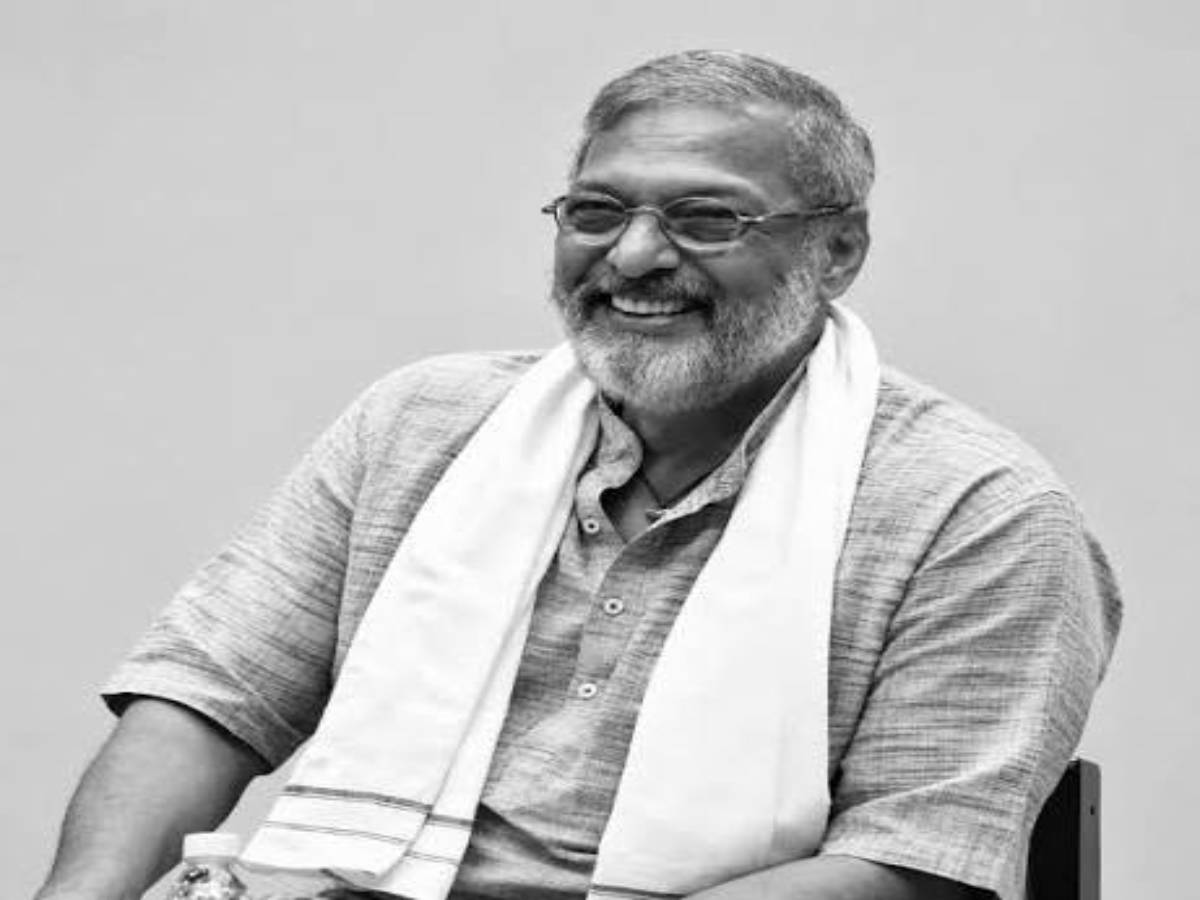
பிரபல நடிகர் நானா படேகர் மறைவு: பிரதமர் மோடி, நடிகர் ரஜினிகாந்த், குஷ்பு இரங்கல்
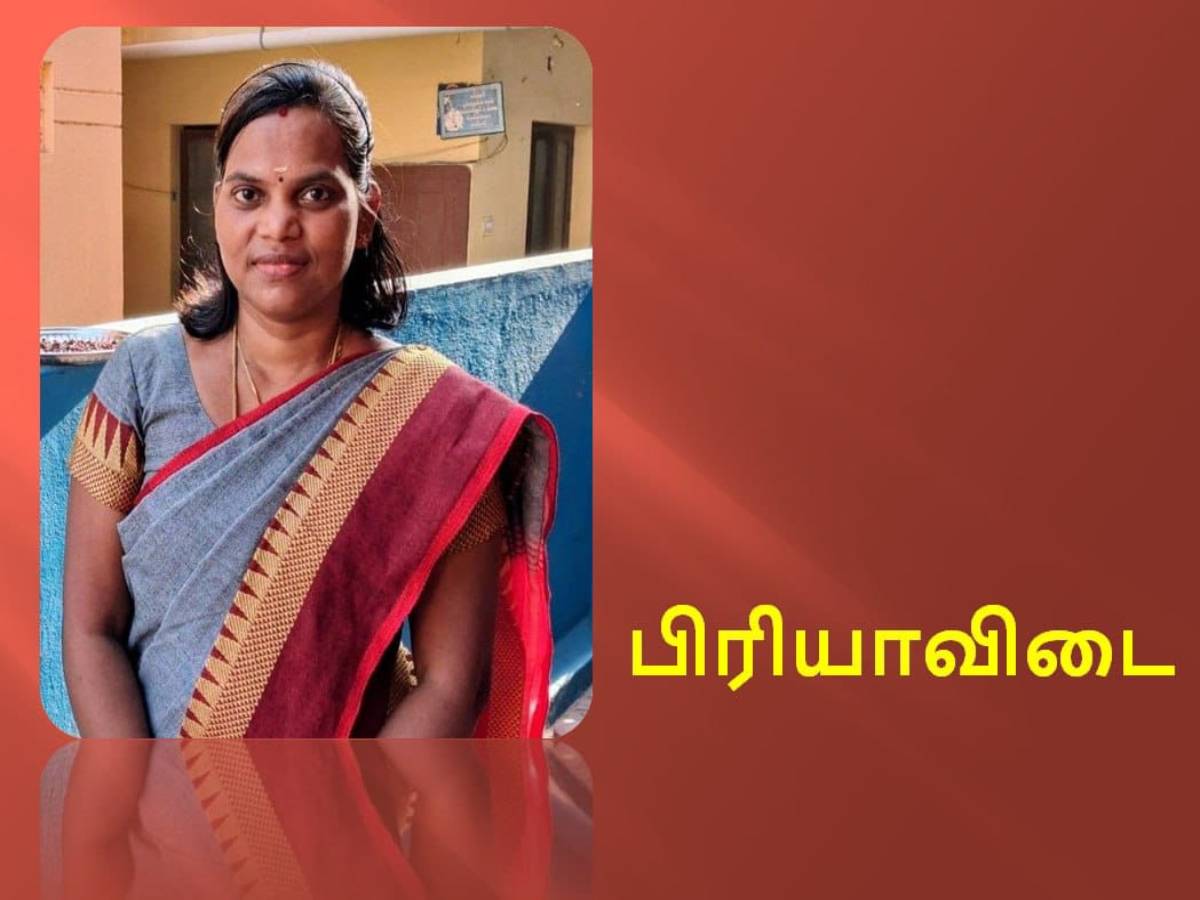
பிரியாவிடை!
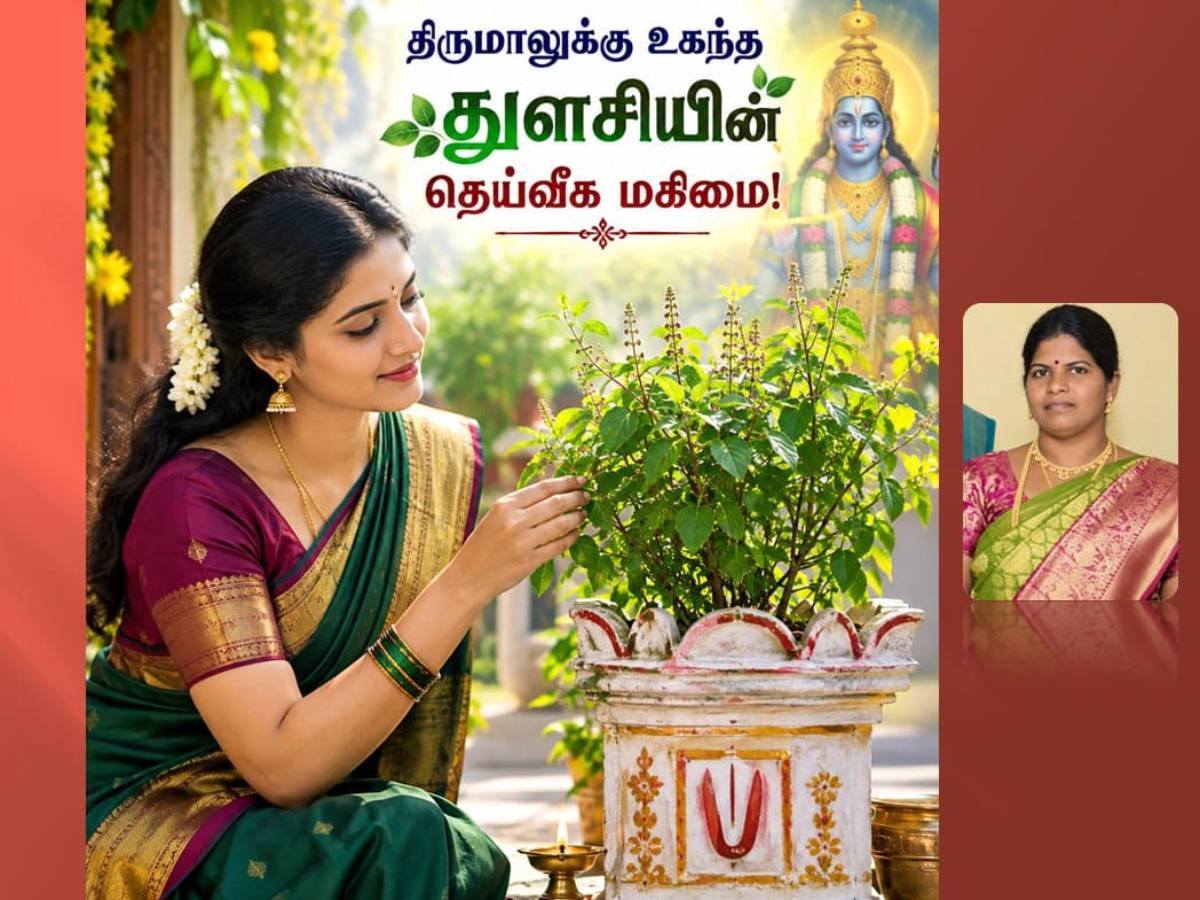
திருமாலுக்கு உகந்த துளசியின் தெய்வீக மகிமை!
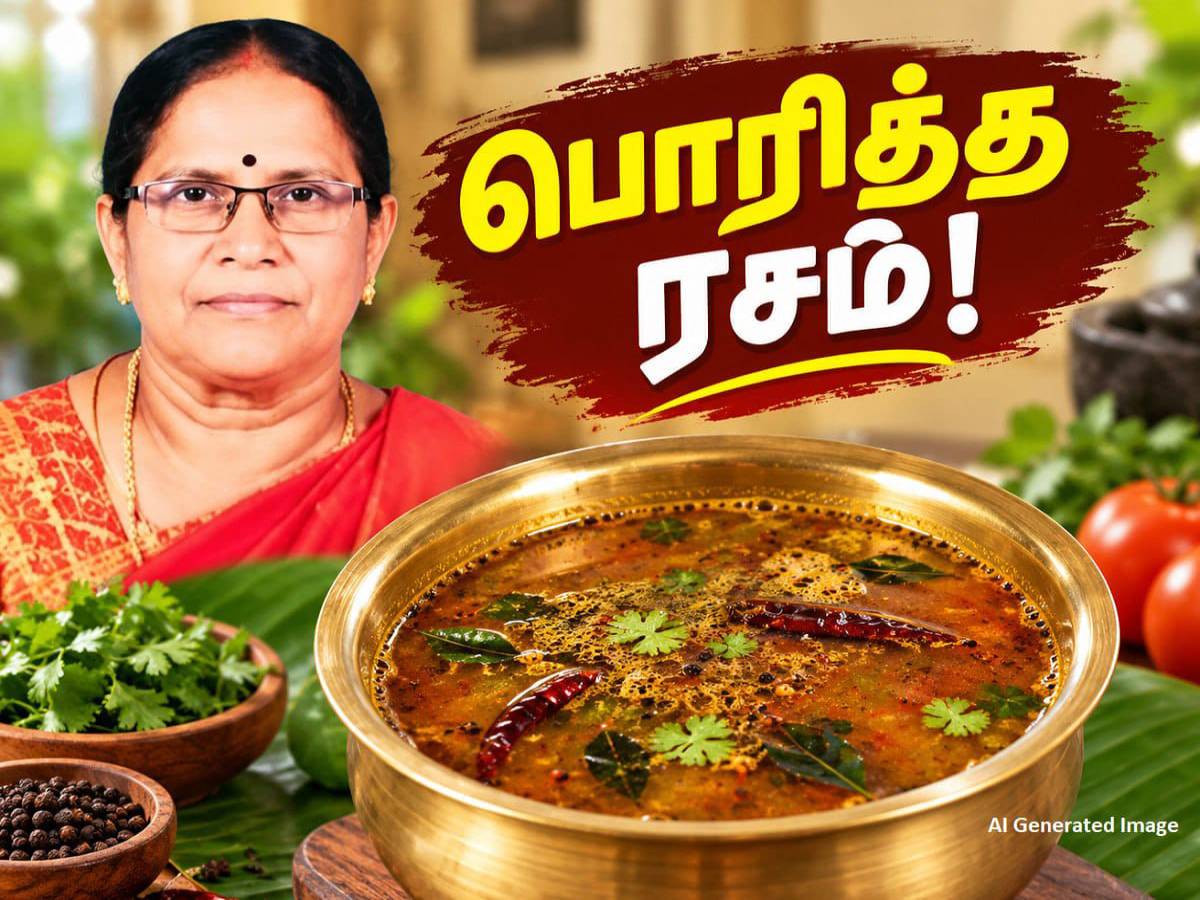
Prabha's Tips: பொரித்த ரசம்.. அப்படீன்னா.. அதாவது புளி இல்லாத ரசம்!
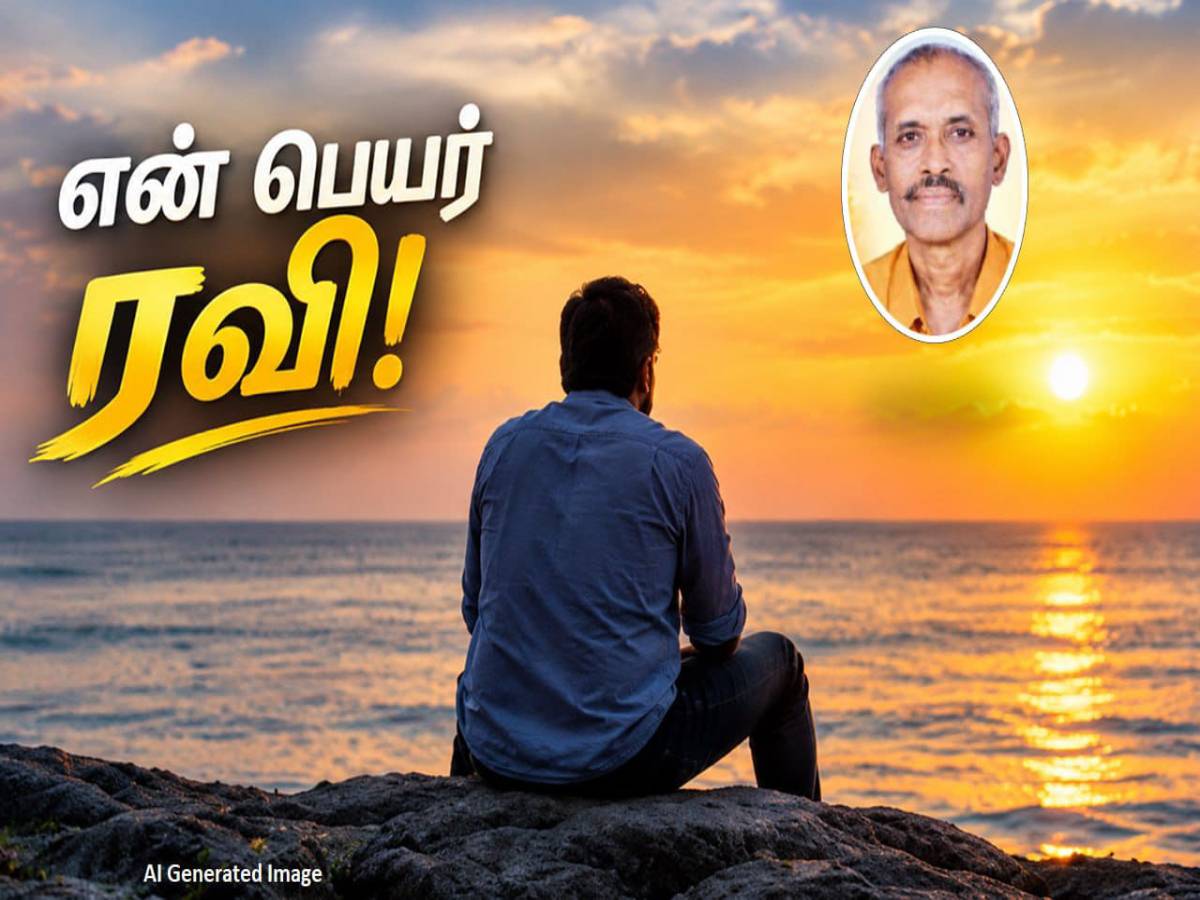
Short Story by Joseph Samraj: என் பெயர் ரவி!
{{comments.comment}}