செங்கற்களாலும்.. சிமென்ட்டாலும் மட்டும் ஆனதல்ல வீடு.. Bharatha Vilas!
சில வீடுகள் செங்கற்களாலும், சிமென்ட்டாலும் ஆனதாக இருக்கும். ஆனால் எல்லா வீடுகளும் அப்படி இல்லை... பல வீடுகள் நமது நினைவுகளால் கட்டி எழுப்பப்பட்டவை.. அப்படிப்பட்ட ஒரு வீடுதான் இந்த பாரத விலாஸ்.
அந்தப் பெயரில் வந்த படத்தைப் பற்றி எல்லோருக்கும் தெரியும். இந்த வீடும் கிட்டத்தட்ட அப்படித்தான்.. தனது சிறு வயது வீடு குறித்து அழகாக விவரித்துள்ளார் வ. துர்காதேவி... வாங்க அந்த அழகான நினைவுகளுக்குள் ஒரு Home Tour அடித்து விட்டு வருவோம்.
The House Where India Lived Together
Some houses are built with bricks and cement.
Some houses are built with memories.
Even after more than three decades, whenever I think of my childhood, one place rises vividly in my mind — a place we lovingly called Bharatha Vilas.
The name sounded grand, almost like that of a mansion. Yet in reality, it was a very simple building. But within its modest walls lived something rare and beautiful — people from different parts of India, speaking different languages, following different traditions, yet living together like one extended family.
Looking back now, I realise that the name suited it perfectly.
A House of Tiny Homes
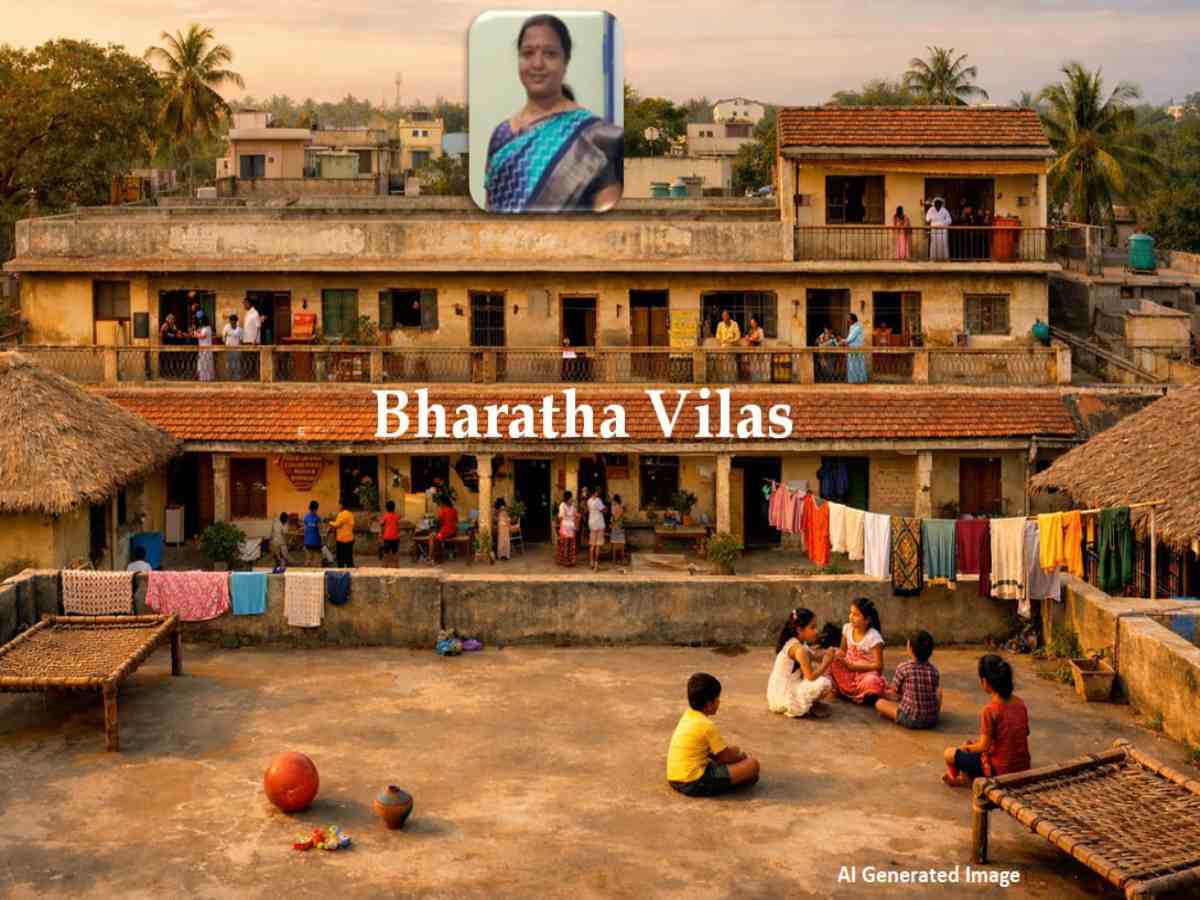
Bharatha Vilas was an old-style building built as a long structure with several small portions lined along a narrow passage. Each portion was a tiny one-bedroom house — a small hall, a cramped bedroom where even a tall person could hardly stretch fully, and a very small kitchen.
There was no wash basin. Vessels had to be washed in a corner using water stored in large containers.
By today’s standards, such living conditions might appear uncomfortable.
But in those days, we never felt deprived.
Nearly nine or ten families lived in that building. Each family came from a different background — different states, languages, customs, and rituals. Yet none of those differences ever created distance between us.
Those differences remained outside our doors.
Inside, we lived as one family.
The Family Next Door
Next to our house lived a family of five — the parents, their son Gopi, and twin daughters Sumathi and Malathi.
Though they were identical twins, I could easily tell them apart, while many other children struggled to do so.
Gopi was mischievous and playful. Many of us children were slightly cautious around him because he was always ready with some prank — pulling someone’s hair or teasing us unexpectedly.
Clothing for children in those days was simple and comfortable. Most girls wore a single-piece dress, often sleeveless and usually white-based. Nobody viewed it with suspicion or judgement.
Children moved around freely and happily.
When I think about it today, those days truly seem golden. The world has changed so much that even children sometimes hesitate to wear what makes them comfortable.
The Telugu Brothers
Next to them lived a Telugu family whose sons were older than us. We affectionately called them Babu Anna, Seenu Anna, and Thiagu Anna.
Despite the age difference, they treated us like their own younger sisters and always looked after us with affection and care.
Mohana Akka’s House – Our Second Home
Beside our house lived Mohana Akka’s family, and their home was almost like an extension of ours. There were many days when my mother would leave us there. My elder sister, younger brother, and I ate in their house, played there, and sometimes even slept there for a few days.
Yet we never once felt that we were in someone else’s home. It felt completely natural—like another part of our own family.
Mohana Akka was known as one of the best cooks in the entire neighbourhood. The aroma of the dishes she prepared would often drift through the building and tempt everyone nearby. Her children were all very good at their studies. Her elder son Sekar Anna studied exceptionally well and later went abroad. In those days, going abroad was extremely rare and considered a remarkable achievement.
Another son, Baskar Anna, also studied well and later secured a respectable position in a bank.
Her daughter Vimala Akka was someone we children admired greatly. She was very beautiful and looked almost angelic when she wore a half-saree.
Later she married her own maternal uncle and continued to live in her mother’s house. Interestingly, marriage did not seem to change her life very much — she continued to live in the same familiar home, surrounded by the same warmth and affection.
The Family Upstairs
On the first floor lived a Christian family from Kerala.
I do not even remember the mother's real name because everyone called her Meena Amma, after her daughter Meena. Her husband, George Uncle, ran a small photo studio.
In those days, going to a studio to take a photograph was a special occasion. Photographs were precious memories meant to last for years.
My mother had a wonderful aesthetic sense. Though she was not a professional tailor, she had learnt tailoring out of curiosity and enjoyed experimenting with clothes. She would stitch beautiful dresses, style my hair in different ways, and sometimes even apply a little makeup before taking me to the studio.
But strangely, I was afraid of the studio. Perhaps it was the dim lighting or the unfamiliar atmosphere. The moment I entered, I would begin to cry.
As a result, many of my childhood photographs show me with tears in my eyes and swollen cheeks from crying.
During Christmas, Meena Amma prepared special homemade snacks such as rose cookies and other delicacies. In those days such treats were not easily available in bakeries or sweet shops.
They were homemade and prepared only once a year.
Naturally, we children eagerly waited for Christmas just to enjoy them.
The Thatched Roof House
Behind the main building stood a small house with a thatched roof.
A family lived there with three daughters — Padma, Chitra, and Gayathri.
Though they were economically less fortunate, we never saw any difference between them and us. To us, they were simply friends — part of our world, sharing our games, laughter, and childhood moments.
A Childhood Without Boundaries
We came from different communities, languages, and economic backgrounds.
Yet those differences never mattered.
If one family planned to go to the cinema, they would take all the children along. In fact, I rarely went to movies with my own parents. Usually some neighbour would take us.
I still remember one particular moment at a cinema theatre.
When the ticket seller asked how many tickets were needed, one of the Akka’s confidently replied,
“Thirteen tickets.”
The man looked surprised and asked,
“Are all these your children?”
Without hesitation she replied,
“Yes.”
The man stared at her in disbelief, wondering how one person could possibly have so many children.
But to us, that answer felt perfectly natural.
The Terrace – Our Playground
The terrace of the building was large and lively.
For us children, it was nothing less than another playground. Every evening, after school, we would rush upstairs to play.
The terrace soon filled with laughter, running footsteps, and the noise of endless games.
Even today, when I try to describe its size, I think of the terrace seen in the Tamil movie Ghilli. Anyone who remembers that building can imagine how spacious such a terrace would feel to children. Ours was smaller than that, of course, but in our imagination it felt just as vast.
And the most beautiful thing was this — so many families shared that space, yet there was never any quarrel.
The terrace simply belonged to all of us.
Why It Was Called Bharatha Vilas
One of the Telugu elders ran a small matrimony service from the front veranda, which in those days was called the thinnai. A few wooden benches were placed there, giving the place the feel of a modest office.
People would come carrying horoscopes, searching for suitable marriage alliances — long before the days of online matrimony websites.
The elderly man who managed this was lovingly called Thatha, meaning grandfather. Everyone, young and old, addressed him that way.
He was very fond of me because I was talkative.
Sometimes he would ask me to write letters for him. Though I was only studying in the second or third standard, I wrote them carefully and neatly. What made him especially proud was that I never made spelling mistakes.
He would show the letters to others and say with pride,
“This girl is very smart.”
Even the postman knew our house simply as Bharatha Vilas. The official address was 39., Reddiappa Mudhaliyar Street, but in the neighbourhood everyone recognised it by that name.
The Golden Years
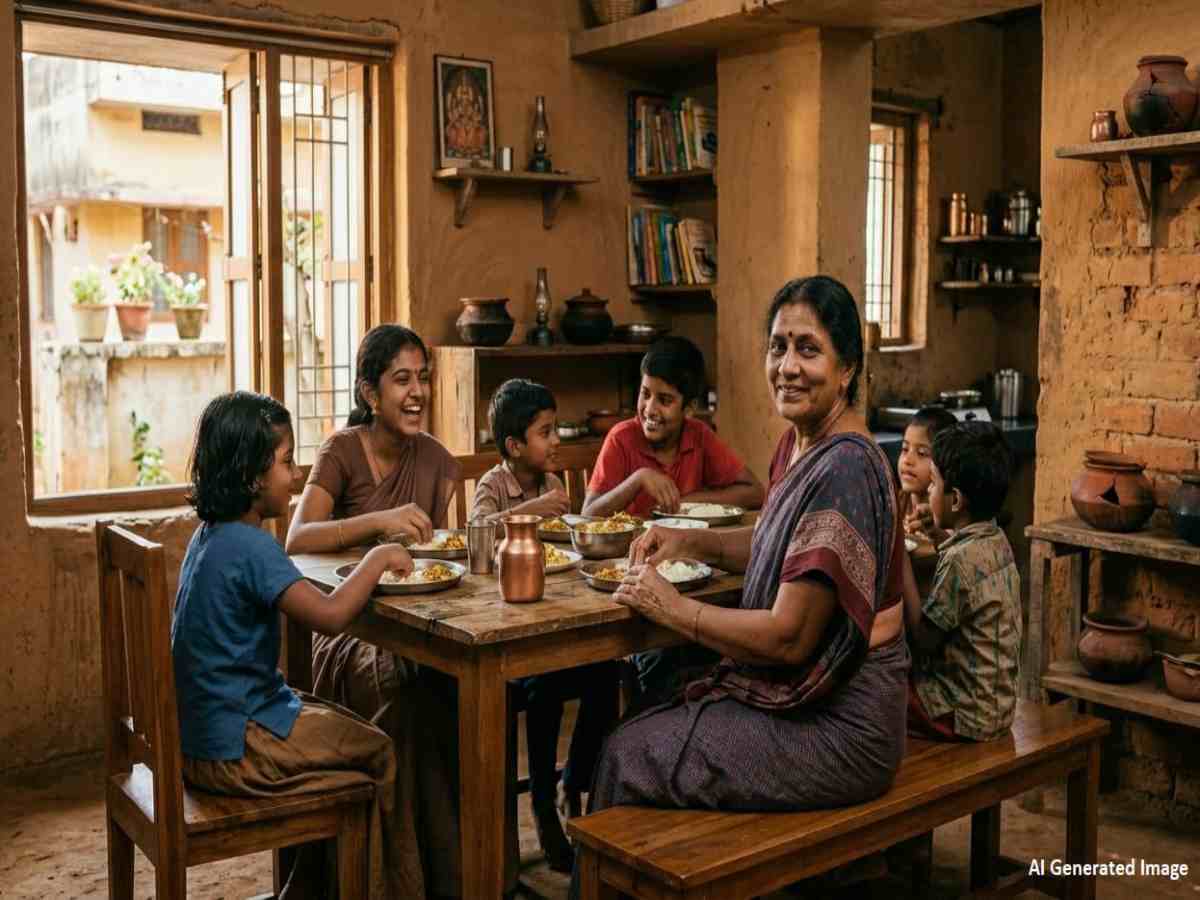
I lived in that house from early childhood until I entered my teenage years.
One thing still amazes me today. During all those years, not a single family moved away and no new family came to replace them.
In today’s world, tenants change frequently. People move from place to place every few years.
But in Bharatha Vilas, everyone stayed.
It felt less like a group of rented houses and more like a shared home that belonged to all of us.
The houses were small. The facilities were few. Life itself was simple.
But our hearts were full.
We shared food, festivals, games, laughter, and everyday moments that quietly bound us together.
And perhaps that is why, even after so many years, the memory of that place remains so vivid.
Because Bharatha Vilas was never just a building.
For a brief and beautiful chapter of my childhood,
it was a little world where differences disappeared
and people simply lived as one family.
A place where, in the truest sense,
an entire Bharat lived under one roof.
(About the Author: Durgadevi V, Graduate Teacher, GHS Nesal, Tiruvannamalai District)
சமீபத்திய செய்திகள்
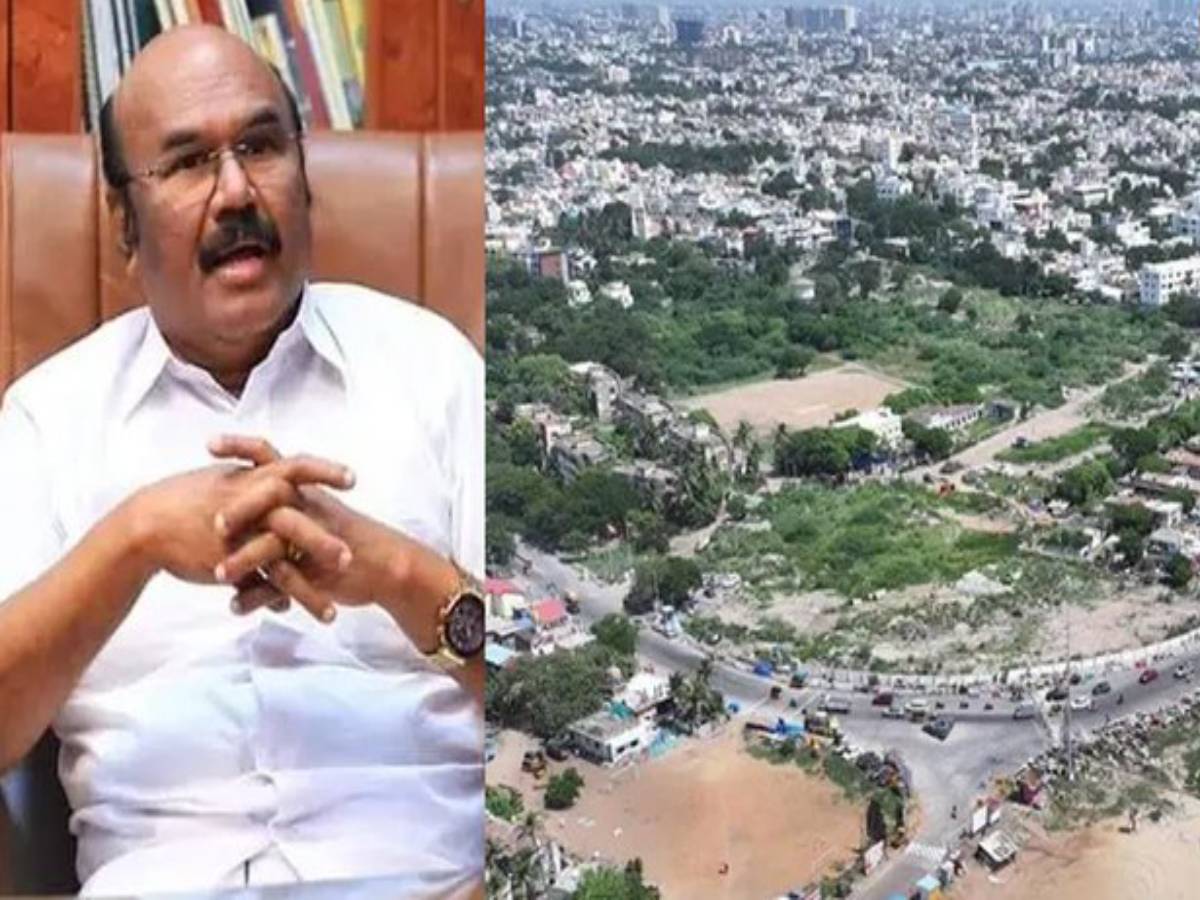
பட்டினப்பாக்கத்தில் தலைமை செயலகம் கட்டினால்...என்ன அதிமுக ஜெயக்குமார் இப்படி சொல்லிட்டார்?
மதுரை அரசாளும்.. மீனாட்சி அம்மன் கோவில் கும்பாபிஷேகம்.. 17 ஆண்டுகளுக்குப் பிறகு!
முதல்வர் விஜய் குறித்து அவதூறு பேச்சு: சேகர்பாபு, ஆ.ராசா மீது வழக்குப்பதிவு
சிவன்மலை ஆண்டவர் உத்தரவுப்பெட்டியில் தேங்காய் வைத்து பூஜை...இது நடக்க போவது உறுதியா?
திமுக தலைவர் மு.க.ஸ்டாலினுக்கு வைரஸ் காய்ச்சல்: திமுக முப்பெரும் விழா ஒத்திவைப்பு!
காலம் மாறிப் போச்சு.. ஒரு நிமிடக் கதை (17)
அரும்பானவள் கொஞ்சம் குறும்பானவள்!
மணவாழ்க்கை.. துணையாள் சொல்படி நட!
சிந்தனைச் சிதறல்.. நல்லவர்களாக இருங்கள்.. நற்சிந்தனையோடு இருங்கள்!
{{comments.comment}}